Zillow and Redfin Settle FTC Antitrust Case Over Rental Listings Deal
The deal unwinds a 2025 agreement in which Zillow paid Redfin $100 million to stop competing for rental advertising customers.
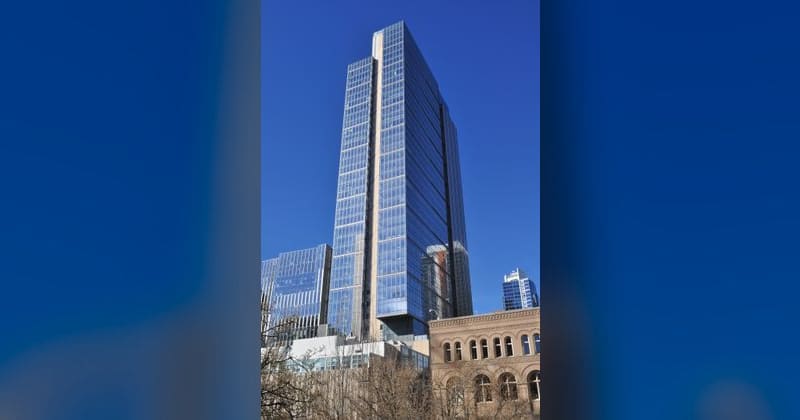
Zillow and Redfin have settled a federal antitrust lawsuit over a 2025 agreement that the government said was designed to eliminate Redfin as a competitor in online rental advertising. The Federal Trade Commission announced the settlement Monday, just hours before the case was set to go to trial.
The FTC, joined by the attorneys general of Arizona, Connecticut, New York, Virginia and Washington, had accused Zillow of paying Redfin $100 million in February 2025 to shut down its internet listing service business for apartment rentals, hand its advertising customers over to Zillow, and stay out of that market for as long as nine years. Under the arrangement, Redfin's rental sites, including Rent.com and ApartmentGuide.com, would have simply mirrored Zillow's own listings rather than competing for them. Redfin laid off hundreds of employees as part of the deal, some of whom Zillow then hired, according to the FTC's original complaint, filed in September 2025 in the U.S. District Court for the Eastern District of Virginia. The states' similar lawsuit was folded into the FTC's case that November.
What The Settlement Requires
The proposed order, which will remain in effect for 10 years, strips out the restrictions that kept Redfin from competing with Zillow. Redfin must relaunch its rental advertising business within six months with what the FTC called "significantly more listings" than before, hire a general manager, sales staff and a customer support team, and commit to spending millions of dollars to grow the business over multiple years. Redfin can keep displaying Zillow's rental listings, but it no longer has to hand over competitively sensitive business information to Zillow, and it is free to sign up its own advertising customers again.
Zillow, for its part, has to give Redfin access to employee information so Redfin can recruit workers back, and it must waive any noncompete agreements that would block those hires. For nine months after Redfin relaunches, Zillow also has to let its own rental advertising customers renegotiate their contracts without penalty.
An Unusual Trial-Eve Deal
"This kind of payment to a competitor to exit a market and stop competing violates the antitrust laws," Daniel Guarnera, director of the FTC's Bureau of Competition, said in the agency's announcement. He said the settlement would deliver "better, quicker, more certain results for both renters and property management companies than we would have been able to achieve after prevailing at trial."
Zillow and Redfin had defended the original partnership as a way to give renters access to a larger combined pool of listings, according to TechCrunch. The FTC argued the opposite: that removing Redfin as an independent competitor could let Zillow charge higher prices and offer worse terms to property managers.
The case follows other recent antitrust settlements, including the Justice Department's deal with Live Nation and Ticketmaster, according to The Verge. In that case, 26 of the 30 state attorneys general who had joined the federal lawsuit chose to keep pursuing their own claims and won in court in April, TechCrunch reported.
Sources
- Official notice FTC Secures Order Resolving Antitrust Concerns with Zillow-Redfin Agreement ftc.gov
- Official notice FTC Sues Zillow and Redfin Over Illegal Agreement to Suppress Rental Advertising Competition ftc.gov
- Official notice Attorney General James and Coalition of States Win Trial Against Live Nation and Ticketmaster ag.ny.gov
Related coverage

Apple Proposes 15% Cut On Purchases Made Outside The App Store
The filing, submitted after the Supreme Court refused to pause the case, sets lower rates for small businesses and content partners as Apple's antitrust fight with Epic Games grinds on.

Trump Media CEO Defends Paid Early Access to Trump's Truth Social Posts
Kevin McGurn says customer signups for the $100,000-a-month Truth API service are climbing, even as critics question whether it gives paying firms a trading edge.

Tesla And Eight Other Automakers Recall 4.3 Million Cars In China Over Door Handles
China's product safety regulator says the recalls, the largest in the country's history, come ahead of a 2027 ban on the concealed door handles Tesla popularized.

Panama Canal Cuts Daily Ship Transits as El Nino Drought Deepens
The Panama Canal Authority will drop the number of ships passing through the waterway from 36 a day to 32 by mid-September as reservoirs run low.