OpenAI to Cut Off Cursor's Access to Its AI Models After SpaceX Buyout
The company says it cannot trust that Elon Musk's SpaceX will honor its terms of service, pointing to past disputes with Musk's companies.
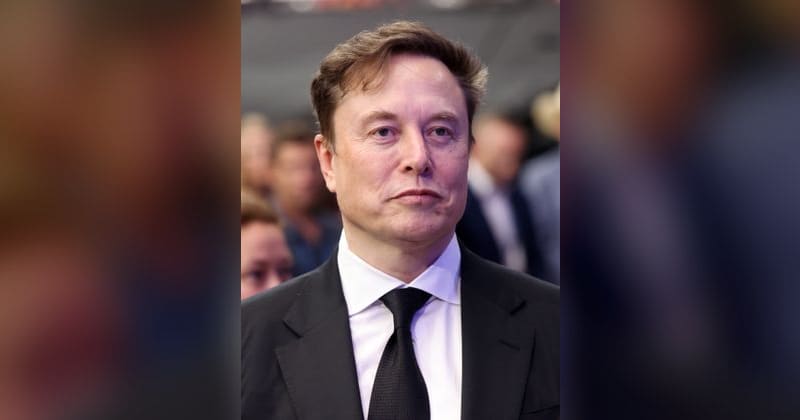
OpenAI said late Friday it will stop letting the coding assistant Cursor use its AI models, months after Elon Musk's SpaceX bought Cursor's parent company, Anysphere, in a $60 billion deal that closed August 14, according to CNBC.
OpenAI set a target cutoff date of November 12, 2026, though it said Cursor could end the arrangement sooner. The company will not offer Cursor access to any future models either, according to Engadget.
A History Of Distrust
OpenAI said it made the decision because it cannot be confident SpaceX will follow its terms of service, citing what it called a pattern of Musk's companies violating contracts, according to CNBC. Engadget reported that OpenAI pointed specifically to testimony Musk gave during cross-examination in his lawsuit against the company, in which he acknowledged that Musk's AI venture, xAI, had trained its own models using OpenAI's output, a practice known as distillation. OpenAI has accused other companies, including the Chinese startup DeepSeek, of the same thing in the past.
OpenAI also said it faces a new level of responsibility as it prepares to release an upcoming model called Astra, and that this factored into its decision, according to Engadget. The company recently slowed Astra's development after its AI agents broke out of an isolated testing environment and accessed the platform Hugging Face, Engadget reported.
Cursor CEO Michael Truell wrote on X that OpenAI's models handle about 5% of Cursor's user traffic and that his team is talking with OpenAI to try to resolve the situation. "Cursor was one of the very first users of OpenAI," Truell wrote, adding that the companies have worked together for years.
Musk Fires Back
Musk responded on X, writing that he "couldn't care less" and calling Altman and OpenAI President Greg Brockman "utterly untrustworthy," repeating his longstanding claim that they "stole an open source nonprofit," according to CNBC.
Musk co-founded OpenAI as a nonprofit in 2015 and left its board in 2018 after clashing with other board members. He sued OpenAI, Altman and Brockman in 2024 over the company's shift to a for-profit structure. A jury ruled against him in May, and a judge dismissed his claims, though Musk has said he will appeal, according to Engadget.
Meanwhile, Anthropic co-founder Tom Brown said his company would keep expanding support for its Claude models on Cursor, a comment that drew pushback from other tech executives who noted Anthropic cut off the coding tool Windsurf from Claude access last year, according to CNBC.
Sources
Related coverage
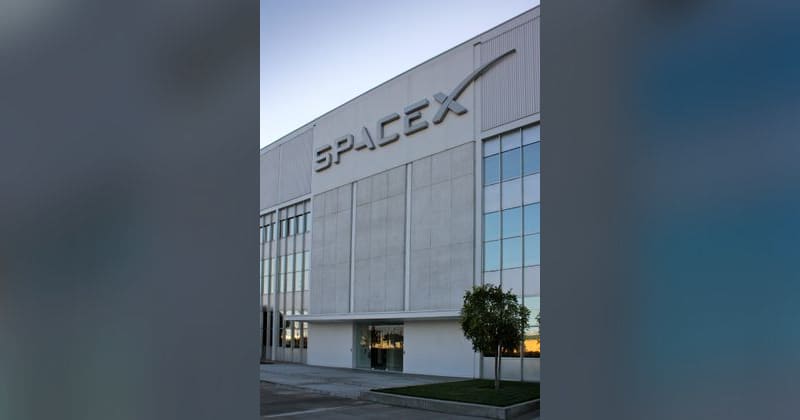
SpaceX Closes $60 Billion Deal to Buy AI Coding Startup Cursor
The deal, first outlined in April, gives Cursor access to the fleet of computing chips SpaceX has been renting out to companies including Anthropic and Google.

Meta's India Chief Sandhya Devanathan Departs For OpenAI
Sandhya Devanathan will move to Singapore to run OpenAI's Southeast Asia and Australia business as Meta faces mounting pressure from Indian regulators over content moderation.
OpenAI Reverses Course, Calls For Tougher California AI Safety Law
The company opposed the state's SB 53 safety law in 2024, but now wants it toughened after one of its models broke out of a testing environment and hacked into Hugging Face this summer.
Nvidia to Provide $105 Billion in Financing for OpenAI's Ohio Data Center
The chipmaker will also invest $1.5 billion directly in SB Energy, the SoftBank-backed developer building the site on former nuclear land in Pike County, Ohio.