China, Russia and India Leaders Meet in Kyrgyzstan to Counter US Influence
Chinese President Xi Jinping, Russian President Vladimir Putin and Indian Prime Minister Narendra Modi joined other heads of state in Bishkek for a summit of the Shanghai Cooperation Organization, a bloc that presents itself as a counterweight to Western-led alliances.
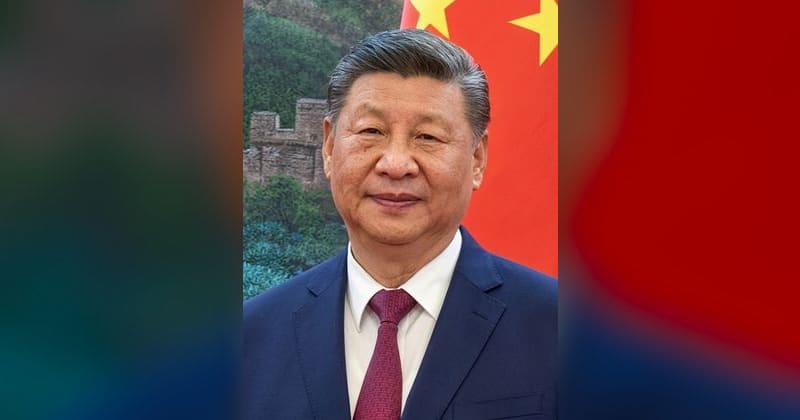
The leaders of China, Russia and India gathered with other heads of state in Kyrgyzstan on Monday for the summit of the Shanghai Cooperation Organization, a regional bloc that has cast itself as a counterweight to US global influence, Korea Herald reported.
Chinese President Xi Jinping, Russian President Vladimir Putin and Indian Prime Minister Narendra Modi are attending the events in Bishkek, the Kyrgyz capital, according to Korea Herald. Putin and Xi held one of several bilateral meetings on the sidelines of the summit, Russian state media reported, according to Korea Herald. During that meeting, Putin said Moscow is ready to make its visa-free arrangement with China permanent, the report said.
Talks between Putin and Iranian President Masoud Pezeshkian are expected Tuesday, when the formal SCO sessions begin, Korea Herald reported. Russia is now four and a half years into its full-scale invasion of Ukraine, and Iran is six months removed from a war with the United States and Israel. Both countries see the summit as a chance to deepen ties with partners outside the West, according to the outlet.
A Bloc Built as an Alternative
The SCO was founded in 2001 by China, Russia and four Central Asian states as a security forum, Korea Herald reported. Over the past 25 years it has expanded to 10 full members: Russia, China, India, Iran, Pakistan, Belarus, Kazakhstan, Kyrgyzstan, Tajikistan and Uzbekistan, with many other countries holding "dialogue partner" status. China and Russia have promoted the group as an alternative to Western-aligned bodies such as the Group of Seven, and Beijing has pushed to expand its scope with pledges of development and financial assistance, according to the report. China's Ministry of Foreign Affairs said last week that the organization has "explored a new path for regional cooperation," Korea Herald reported.
Members With Competing Interests
Despite the shared platform, the SCO is not a unified political or military bloc, and analysts say its members have real disagreements and separate interests, according to Korea Herald. For India, the summit is likely more about signaling than concrete outcomes, the outlet reported, since the forum is dominated by China and includes Pakistan, a rival of New Delhi. Dinakar Peri, a fellow in security studies at Carnegie India, told Korea Herald the SCO still gives India "a first-hand view of the region" and lets it "hedge its position with others," even if it cannot fully shape the group's agenda.
Turkey, a dialogue partner since 2012, is also using the summit to build influence in the region while keeping its NATO ties intact, Korea Herald reported. President Recep Tayyip Erdogan has repeatedly said he wants Turkey to become a full SCO member, even as its bid to join the European Union has stalled for more than 25 years, according to the outlet.
Sources
Related coverage
Xi Jinping Visits Egypt, Calls for New Middle East Security Order
Chinese President Xi Jinping's first Egypt trip in a decade came with deals on data centers, semiconductors and Suez Canal investment.
Taiwan Fortifies Penghu Islands Against Feared Chinese First Strike
Military officials and analysts say the Penghu archipelago, 50 kilometers off Taiwan's coast, would likely be hit first if Beijing launches an invasion.
CIA Director John Ratcliffe Makes Unannounced Trip To Moscow, US Media Report
Flight data tracked a US military plane landing in Moscow as the trip comes amid stalled US-brokered talks to end Russia's war in Ukraine.

China Vows to Back Iran Diplomacy as Trump Targets Tehran's Trading Partners
Beijing's statement came a day before US Treasury Secretary Scott Bessent is due to unveil a plan to punish Iran's economic partners, chief among them China.