Germany Blames Russia for Drone Attack at Leipzig Airport, Shuts Consulate
Berlin ordered the closure of a Russian consulate and a cultural center after accusing Moscow of directing the August 4 attack near a Ukrainian cargo plane.
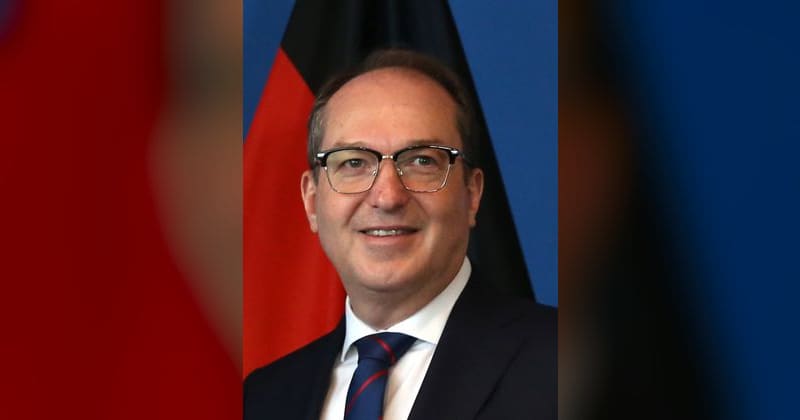
The German government on Tuesday formally blamed Russia for an attempted drone attack at Leipzig/Halle Airport last month and said it would close a Russian consulate and cut ties with a Russian cultural center in Berlin in response.
A drone loaded with explosives was found on August 4 near a Ukrainian Antonov cargo plane used to ferry weapons to Ukraine, at the airport in eastern Germany. The device, which carried about 600 grams (roughly 21 ounces) of explosives, failed to detonate because of a faulty detonator, according to The Guardian. Investigators later found traces of the military explosive hexogen near the airport on August 14 along with another drone, The Guardian reported.
Interior Minister Alexander Dobrindt said the drone's components, explosives and detonator matched patterns seen in other Russian hybrid operations and in Russia's war against Ukraine, according to the South China Morning Post. He said intelligence indicated the attack was carried out by low-level agents acting on behalf of Russian state entities, though he did not specify which ones.
Berlin's Response
Foreign Minister Johann Wadephul said Germany would close Russia's consulate general in Bonn and end its rental agreement with Russian House, a Russian cultural and science center in Berlin that has been linked by officials to espionage, according to the BBC. Germany will also tighten entry controls for Russian nationals, step up pressure on Russia's so-called shadow fleet of tankers used to evade Western sanctions, and push the European Union for new sanctions and travel restrictions on Russian nationals, Wadephul said. Germany is also backing the European Commission's 22nd sanctions package, which covers roughly 1,600 additional companies and organizations tied to Russia, The Guardian reported.
Wadephul said he had summoned Russia's ambassador to Germany, Sergei Nechayev, to inform him of the measures, according to the BBC. "It fits into a broader pattern of Russian hybrid operations in Europe," Wadephul said, according to Channel NewsAsia. Dobrindt said such operations target critical infrastructure, defense companies and support for Ukraine.
Moscow Denies, Allies Rally
Russian foreign ministry spokeswoman Maria Zakharova said Moscow would respond in a "mirror image" fashion to Germany's measures and accused Berlin of "sponsoring terrorism" through its support for Ukraine, according to the BBC. Russia's embassy in Berlin has previously called the accusations "fabricated provocation."
NATO Secretary General Mark Rutte and European Commission President Ursula von der Leyen both offered "full solidarity" with Germany, with Rutte writing on social media that "the evidence is clear." British Prime Minister Andy Burnham said Russian attempts to weaken support for Ukraine were "futile and doomed to fail." Polish Foreign Minister Radoslaw Sikorski voiced "full solidarity with Germany" ahead of a meeting of EU foreign ministers in Ireland, where the EU's top diplomat, Kaja Kallas, said European defense spending increases alone would not close gaps in the continent's conventional military power within NATO, according to ABC Australia.
The announcement comes days before elections in the German states of Saxony-Anhalt and Mecklenburg-Vorpommern, where the war in Ukraine and relations with Russia have featured prominently, The Guardian reported. The far-right Alternative for Germany party, which opposes continued support for Ukraine, has accused the government of applying inconsistent standards toward Russia. Chancellor Friedrich Merz, who said last week that whoever was behind the Leipzig attack "will pay," did not attend Tuesday's briefing, according to The Guardian.
Sources
Related coverage
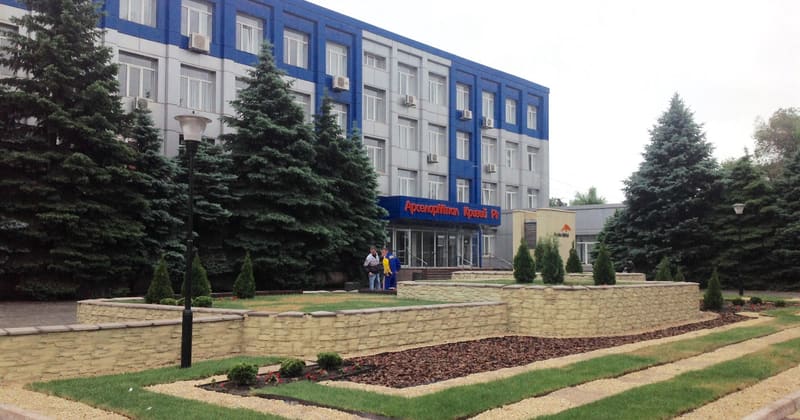
Russia Strikes Ukraine's Largest Steel Plant as Kyiv Hits Moscow Region With Drones
A Russian missile and drone barrage killed at least two people at a Kryvyi Rih steel plant and hit a Kyiv market overnight, while Ukraine's drone assault on the Moscow region set a major warehouse on fire.

Poland Says It Foiled Russian Plot to Kill Ukrainian American in Warsaw
Prime Minister Donald Tusk said a Russian national recruited by Moscow's secret services was arrested August 7 before he could carry out the killing.

Russian Drone Strike Near Kyiv Kills At Least 37 In Depot Blast
Ukrainian prosecutors have opened a negligence investigation after officials acknowledged that munitions were stored close to homes in the Kyiv region for the second time in two months.
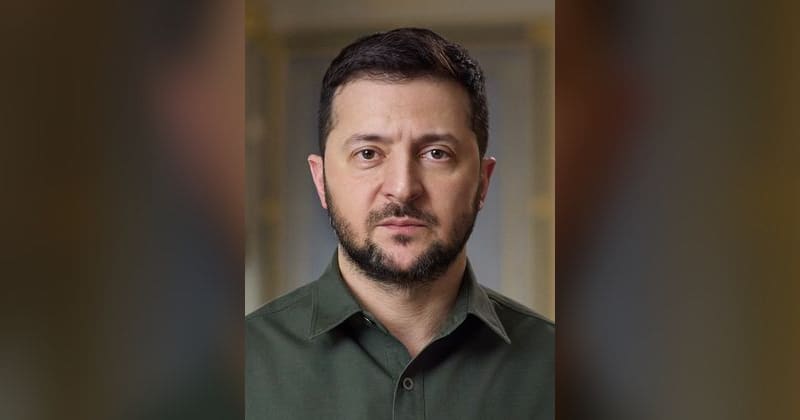
Russian Drone Strikes Kill 14 at Shopping Center in Ukraine's Kryvyi Rih
A second drone hit the same mall about half an hour after the first, in what President Volodymyr Zelenskyy called a deliberate attack on rescue workers.