What a Diesel Export Ban Would Actually Do
Diesel is at a record and Washington is weighing a ban on shipping it abroad. What that would do to the pump price, and why the fuel is in the wrong place.
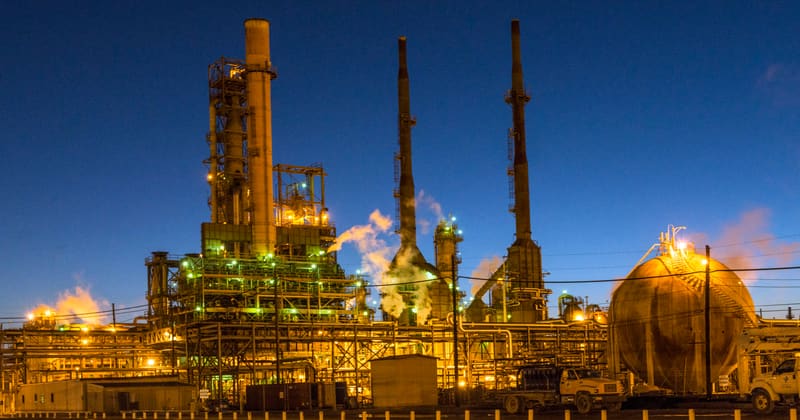
Diesel reached a national average of $6.528 a gallon on Tuesday, according to AAA, about two dollars above the price of regular gasoline. The political answer taking shape around that number is a diesel export ban: stop American refiners selling the fuel abroad, and let the surplus push the domestic price back down.
President Trump said the same day that he supports one. Treasury Secretary Scott Bessent, beside him at the United Nations, said the administration is working out whether it is even feasible.
The idea is easy to state. The fuel market it would land on is not.
Why diesel is the expensive fuel right now
Diesel and gasoline come out of the same barrel of crude and are not interchangeable, and the shortage is in the first one. The Energy Information Administration's September outlook expects U.S. inventories of distillate fuel oil, the category that covers both diesel and heating oil, to drop below 100 million barrels this month and to stay under the 2021 to 2025 low through the end of next year.
What emptied the tanks was not American demand. It was the loss of large volumes of distillate supply from the Middle East, Russia and China, according to the same outlook, at a time when refineries elsewhere were heading into fall maintenance and American farmers were heading into harvest. Ukrainian strikes have taken Russian refining capacity offline, and Iran's pressure on shipping through [the Strait of Hormuz](/world/uae-says-iran-missile-struck-tanker-in-strait-of-hormuz-as-oman-talks-drag-on/) has squeezed what moves out of the Gulf.
A shortage abroad raises the price abroad, and the price is what moves the barrel. Refiners earned more than $2 a gallon on the spread between crude and diesel from August onward, by the agency's estimate, which is the signal that pulls product to the export dock rather than to a domestic terminal.
What a diesel export ban would actually do
Exports are the visible half of that, and they are large. The United States shipped out 1.614 million barrels a day of distillate in the week ending Sept. 11, up from 1.556 million the week before. Stopping that flow would leave those barrels somewhere in the country, and in the first weeks it probably would push the pump price down.
The argument against runs through what refiners do next. A refinery is not obliged to run at capacity. If the most profitable outlet is closed by rule, the rational response is to process less crude, which shrinks the output of everything that comes off the same tower, gasoline and jet fuel included. Mike Sommers, who runs the American Petroleum Institute, said this week that a restriction would "make the problem worse, not better" for consumers and farmers.
There is a second effect outside the country. American refiners supply roughly 1.5 million of the some 8 million barrels a day of diesel that moves by sea, according to Sommers, so withdrawing that volume raises the world price rather than removing the shortage. Latin America takes the largest share of Gulf Coast exports, and the buyers who lose their cargoes are mostly allies and neighbors.
The fuel is in the wrong part of the country
The geography is the part that most discussions skip. American diesel is made on the Gulf Coast, in the refining belt that runs from Corpus Christi through Port Arthur to Louisiana, and that region produces far more than it burns. The shortage sits in the Northeast and on the West Coast, which have little local refining and depend on pipelines, imports and coastal shipping.
So a ban would trap the surplus in the one place that already has enough. Moving it north by sea runs into the Jones Act, which requires cargo between American ports to travel on American-built, American-crewed ships, and the fleet of those tankers is small and expensive to hire. The main pipeline out of the Gulf already runs close to full.
That is why waivers of the shipping rule keep coming up alongside the export question. They address the same problem from the other end: not how much fuel exists, but whether it can reach the coast that needs it.
Whether a president can do this at all
The authority is less settled than the debate implies. The provision that once let a president restrict exports of energy supplies by rule, Section 103 of the 1975 Energy Policy and Conservation Act, was repealed on Dec. 18, 2015, in the same law that ended the 40-year ban on exporting American crude.
What sits in the code today, 42 U.S.C. 6212a, is about crude oil alone. It states that no official of the federal government shall impose or enforce any restriction on the export of crude oil, then allows the president to impose licensing requirements for up to a year after declaring a national emergency, or after the Commerce Department finds that exports have caused sustained shortages or prices well above world levels with material harm to American employment.
Diesel is not crude, so that section neither bars a ban nor supplies one. Any restriction on refined fuel would have to rest on emergency powers claimed elsewhere, which is an invitation to litigation from the refiners it binds. The question of authority arrives before the question of effect.
What to watch
The price forecast already assumes no ban. The agency expects retail diesel to average $5.07 a gallon across 2026 and $4.40 in 2027 as Russian refining slowly returns and the fall maintenance season ends, which means much of the relief being asked for is expected to arrive on its own.
Three numbers will say whether that holds: weekly distillate inventories, the diesel crack spread, and the export figure in the Wednesday status report. If exports fall while inventories build, the market is correcting without a rule. If both keep sliding, the pressure for one gets harder to resist, and the fight moves to the statute rather than the economics. The wider dispute over [Iran and the shipping lanes](/politics/trump-demands-iran-pay-compensation-for-americans-killed-in-attacks/) is what set this in motion, and it is still unresolved.
Sources
Related coverage
Trump Demands Iran Pay Compensation for Americans Killed in Attacks
The president said Iran owes payments for U.S. sailors killed in the 2000 USS Cole bombing and other attacks, after Tehran demanded compensation of its own as a condition for reopening the Strait of Hormuz.

UAE Says Iran Missile Struck Tanker in Strait of Hormuz as Oman Talks Drag On
Abu Dhabi's state oil company says one of its ships was hit early Saturday, the latest in a string of attacks in the waterway as Iran and Oman try to finalize a shipping deal.

Houthis Claim Drone Strike on Saudi Aramco Refinery as Regional Tensions Widen
A fire at Aramco's Jizan refinery was put out with no injuries reported, Saudi officials said, hours after Yemen's Houthi movement claimed a drone strike on the site. The incident came as Iran set conditions for reopening the Strait of Hormuz and three regional powers signed a new mutual defense pact.

Why the Death Toll From a Disaster Keeps Changing
Four counters, four numbers, one earthquake. What the figures in a disaster headline are actually measuring, and why the first one is always low.