Supreme Court Clears Way for Trump's $400 Million White House Ballroom
The 5-4 order sided with the Trump administration over a preservation group, though Chief Justice John Roberts broke with the court's other conservatives to warn the project is likely illegal.
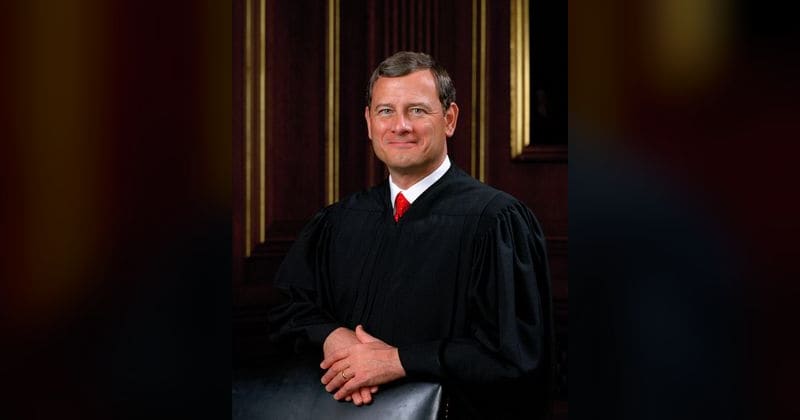
The Supreme Court ruled Monday that construction of President Donald Trump's $400 million White House ballroom can continue, blocking lower court orders that had threatened to halt work on the project, CBS News and CNBC reported.
The 5-4 decision came in an unsigned order from the court's conservative majority. The justices did not decide whether Trump has the legal authority to build the ballroom without approval from Congress, according to CBS News. Instead, they found that the group suing to stop the project, the National Trust for Historic Preservation, likely does not have the legal standing needed to bring the case in the first place.
The order lifts injunctions issued by lower courts that had paused construction while the lawsuit played out, CNBC reported. Because the Supreme Court ruled only on standing, the underlying question of whether the White House needed congressional sign off to add the ballroom to federal parkland remains unresolved and could still be litigated in the lower courts.
A Dissent From the Chief Justice
Chief Justice John Roberts, joined by the court's three liberal justices, dissented. Roberts wrote that the construction is "likely unlawful" because Congress has not given the executive branch the express authority required to erect a new building on federal park land, according to CNBC. "Today's decision is no victory for the separation of powers," he wrote.
Roberts's dissent argued that the majority's approach to standing let the administration sidestep a serious legal question about the limits of presidential power over federal property, according to CNBC's account of the opinion.
The Case Behind the Ruling
The National Trust had argued that Trump lacked unilateral power to move forward with the ballroom. Its case relied partly on a declaration from board member Alison Hoagland, a Washington preservationist who said she would suffer personal and professional harm from seeing the finished ballroom during her monthly visits to the neighborhood.
The majority rejected that argument, finding that Hoagland's objections to the sight of the building did not amount to the kind of concrete, particularized injury required to bring a lawsuit, according to CBS News. With the injunctions lifted, construction on the $400 million project can proceed while any further legal challenges move through the lower courts.
Sources
- Ruling 26a203 2b8e Supreme Court of the United States
- Ruling 20260814105130205 26A203 Appendix Supreme Court of the United States
Related coverage
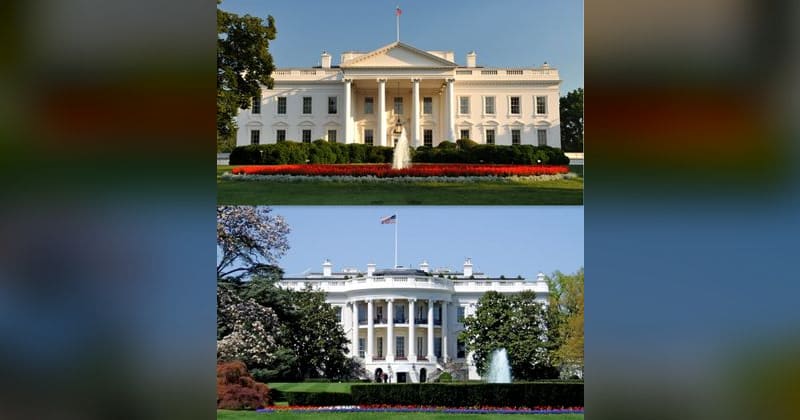
Trump Asks Supreme Court to Let $400 Million Ballroom Work Continue
The administration says the project is 65 percent finished and warns that a court-ordered halt would amount to unlawful "construction-by-injunction."
Supreme Court Clears Way for Trump's Mail-In Voting Restrictions Before Midterms
The 6-3 ruling lifts one injunction against the plan, but a second court order blocking part of it still stands ahead of November's elections.
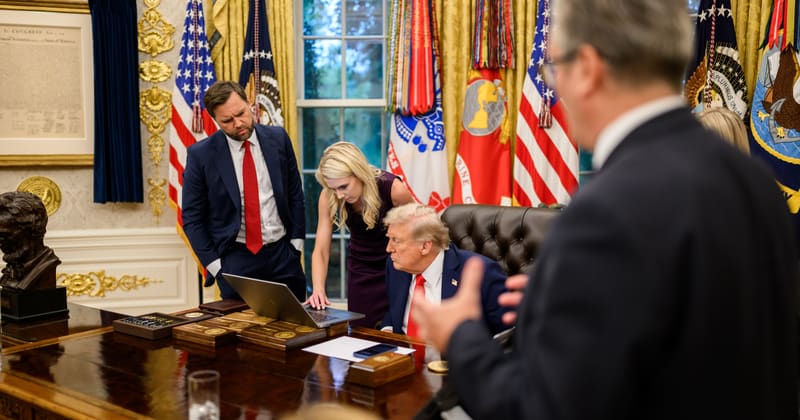
Natalie Harp, Trump's 'Human Printer' Aide, Draws Scrutiny After Senator's Viral Speech
Senator Jon Ossoff's viral mention of the White House aide has renewed attention on her unusually close role at Donald Trump's side, including reports she joined him on a secret flight out of Turkey.

Karoline Leavitt to Step Down as White House Press Secretary
President Trump announced her departure on social media, saying the youngest press secretary in US history is leaving at the end of August to spend more time with her two young children.