Trump Officials Launch Sweeping Iran Sanctions Push as GOP Frets Over Midterms
Treasury Secretary Scott Bessent's new sanctions campaign aims to cut Iran off from the world economy, but Tehran and Beijing are pushing back, and Republican strategists worry the six-month war is dragging down the party ahead of November.
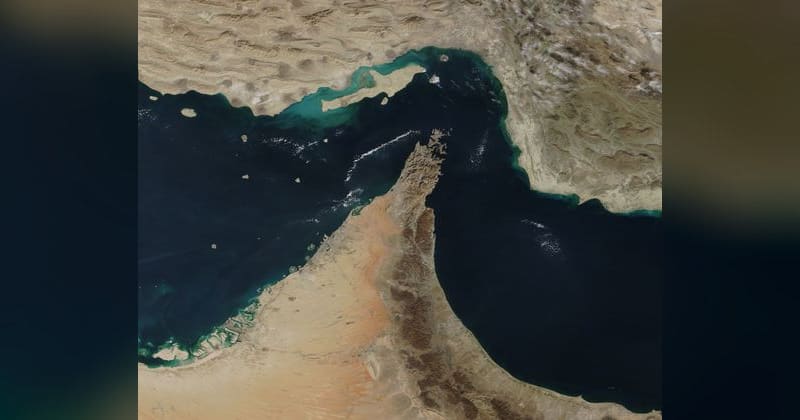
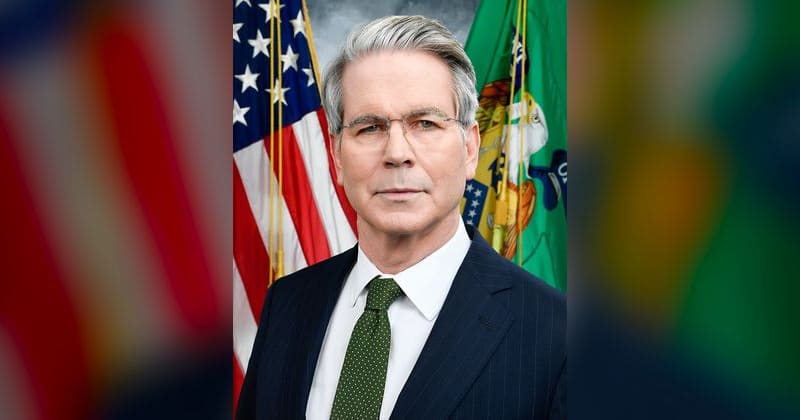
Treasury Secretary Scott Bessent has unveiled a sweeping new sanctions campaign against Iran, which he calls Operation Economic Outcast, aimed at cutting the country off from what remains of its access to the global economy, Guardian US Politics reported. The plan threatens sanctions against foreign governments, banks and companies that keep doing business with Tehran.
The push comes six months into a war that President Donald Trump once predicted would last "four to five weeks," according to the Japan Times. Iran's economy has already been battered by years of sanctions, war and a months-long U.S. naval blockade, and Iranian officials acknowledge that oil exports and access to foreign currency have been severely limited, Guardian US Politics reported. Ordinary Iranians are facing high inflation, a falling currency and worsening living standards. Iranian President Masoud Pezeshkian has said the country should pursue peace while it can still negotiate from what he called a position of "power and dignity," according to the outlet.
Tehran and Beijing Push Back
Mohsen Rezaei, the new head of Iran's Supreme National Security Council, has called participation in the U.S. sanctions campaign an "act of war," Guardian US Politics reported. He said Iran will first try to talk neighboring governments out of joining the effort but has warned of consequences for their interests if they do, and has raised the possibility that Iran could block Gulf oil exports along routes built to bypass the Strait of Hormuz.
China, the largest buyer of Iranian oil, has ordered its companies not to comply with U.S. sanctions targeting Chinese purchasers, according to the outlet. China's top court recently pointed to a ruling that penalized a Singaporean company for complying with American sanctions, and Beijing has warned it will take "all necessary measures" if Chinese interests are targeted. Bessent himself acknowledged the risk of going further, telling reporters, "Why would I want to blow up the global financial system?" when asked why Washington had not yet imposed its most sweeping secondary sanctions, Guardian US Politics reported.
Republicans Worry About November
Back in Washington, Republican strategists see the unresolved war as a growing liability heading into the midterm elections, the Japan Times reported. GOP voters who backed Trump partly on promises to curb inflation and avoid foreign wars have grown discouraged, the outlet reported, and polling shows rising frustration with the conflict, high gas prices and persistent inflation, all of which have weighed on Trump's approval rating.
Guardian US Politics noted that Trump took a similar gamble in 2018, when he withdrew from Iran's 2015 nuclear deal seeking better terms, only for Iran to expand its nuclear program instead. The outlet's analysis warned that the new sanctions campaign could follow the same pattern: more pressure from Washington, met with more resistance from Tehran, and no clear path to the outcome Trump has promised.
Sources
Related coverage

Iran Marks Six Months Under US Strikes as Trump's War Reaches Stalemate
Treasury Secretary Scott Bessent says new sanctions will target the banks and buyers keeping Iran's economy afloat, but Tehran is betting Washington won't follow through on its toughest option.
U.S. to Launch 'Greatest Financial Offensive' Against Iran as Tehran Threatens Ship Seizures
Treasury Secretary Scott Bessent called the new measures an "economic D-Day" as Iran's parliament moved to charge ships for passing through the Strait of Hormuz.

China Vows to Back Iran Diplomacy as Trump Targets Tehran's Trading Partners
Beijing's statement came a day before US Treasury Secretary Scott Bessent is due to unveil a plan to punish Iran's economic partners, chief among them China.
Trump Demands Iran Pay Compensation for Americans Killed in Attacks
The president said Iran owes payments for U.S. sailors killed in the 2000 USS Cole bombing and other attacks, after Tehran demanded compensation of its own as a condition for reopening the Strait of Hormuz.