Iran Marks Six Months Under US Strikes as Trump's War Reaches Stalemate
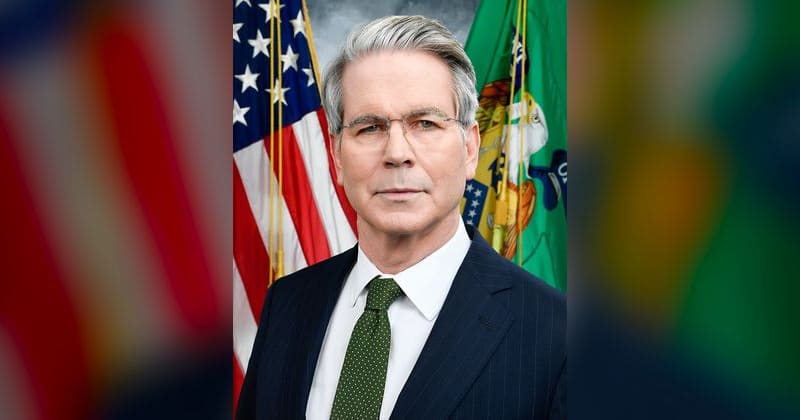
Treasury Secretary Scott Bessent says new sanctions will target the banks and buyers keeping Iran's economy afloat, but Tehran is betting Washington won't follow through on its toughest option.

Six months after the United States and Israel launched a joint military campaign against Iran, the country remains under heavy economic pressure but its government has not fallen, the South China Morning Post reported. Iran's Supreme Leader Ayatollah Ali Khamenei was killed in the campaign, and his son and designated successor was injured, according to the newspaper.
The strikes, which began February 28, have shifted from missiles and airstrikes to a slower campaign of financial pressure, the Post reported. On Monday, the Trump administration announced new sanctions meant to cut off the banks and trading partners keeping Iran's economy running, according to the report. Treasury Secretary Scott Bessent said the United States would sever Iran's financial lifelines, the Post reported, while a US-led naval blockade continues to restrict Iran's oil exports and its access to hard currency.
Tehran is wagering that President Donald Trump will stop short of aggressively enforcing secondary sanctions against Iran's two biggest remaining trading partners, China and India, the Post reported. Aaron David Miller, a former US diplomat now at the Carnegie Endowment, told the Post the administration was "groping in a sort of desperate fashion to try to find a pathway out of this."
Trump's Own Record of the War
Separately, an analysis by Al Jazeera of Trump's posts on Truth Social, the social media platform he owns, found he has mentioned Iran at least 319 times since the war began, or roughly once every 14 hours. Of his 4,189 total posts in that span, an average of 24 a day, one in 13 mentioned Iran, Al Jazeera reported. The most frequently used words after "Iran" itself were his own name and title, which appeared 221 times, more often than the Strait of Hormuz, nuclear weapons and Israel combined, according to the analysis.
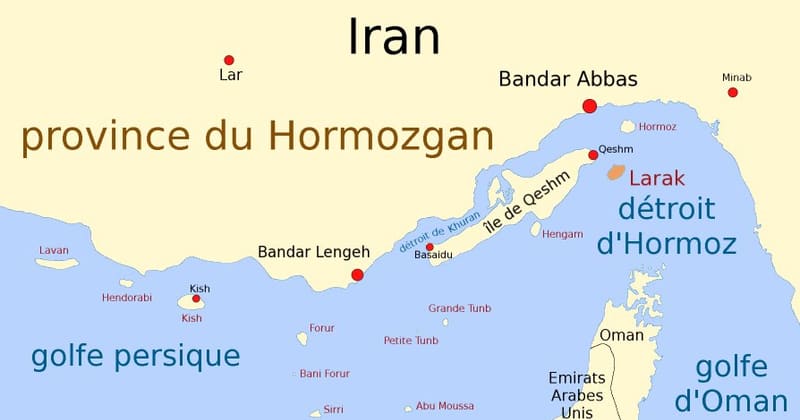
The posts trace the war from its opening hours, when US Central Command announced Operation Epic Fury on February 28 and Trump declared Khamenei dead by that evening, through a series of ultimatums, a claimed "100 percent" destruction of Iran's military and a warning on April 7 that "a whole civilization will die tonight" before a threatened final strike never came, Al Jazeera reported. Pakistani Prime Minister Shehbaz Sharif and Field Marshal Asim Munir persuaded Trump to hold off in exchange for a two-week ceasefire tied to reopening the Strait of Hormuz, a narrow waterway between Iran and Oman that carries a large share of the world's oil trade, according to the analysis.
A Blockade That Stayed
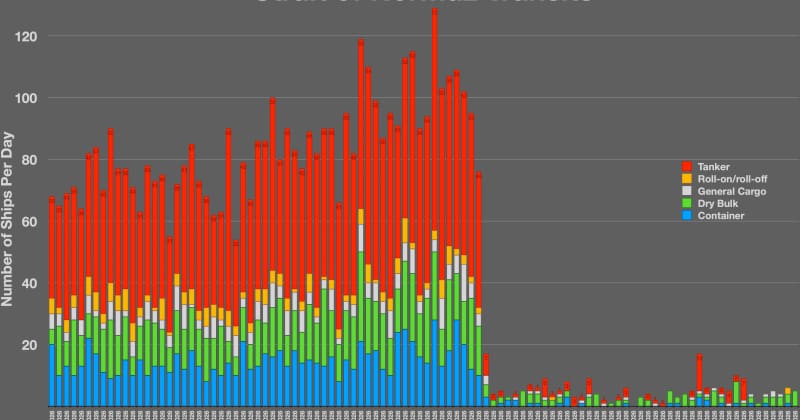
Trump has kept a naval blockade of the strait in place even as ceasefires and ship-escort operations for other countries came and went, Al Jazeera reported. He has said Iran is losing $500 million a day because of it. Israel, which joined the United States in the initial strikes, appears in only 32 of Trump's posts, and Israeli Prime Minister Benjamin Netanyahu is named twice, according to the analysis.
Sources
Related coverage
U.S. to Launch 'Greatest Financial Offensive' Against Iran as Tehran Threatens Ship Seizures
Treasury Secretary Scott Bessent called the new measures an "economic D-Day" as Iran's parliament moved to charge ships for passing through the Strait of Hormuz.
US Strikes Iranian Rocket Launchers on Larak Island, First Attack Since July
The strike targeted launchers Washington says were set to fire rockets carrying sea mines into the Strait of Hormuz, ending a monthslong pause in direct American attacks on Iran.

China Vows to Back Iran Diplomacy as Trump Targets Tehran's Trading Partners
Beijing's statement came a day before US Treasury Secretary Scott Bessent is due to unveil a plan to punish Iran's economic partners, chief among them China.
UAE Halts All Trade With Iran After Missiles Land Near Its Waters
Iran denied firing at the UAE, and the rupture came a day after President Trump said talks with Tehran had collapsed entirely.