US Strikes Iranian Rocket Launchers on Larak Island, First Attack Since July
The strike targeted launchers Washington says were set to fire rockets carrying sea mines into the Strait of Hormuz, ending a monthslong pause in direct American attacks on Iran.
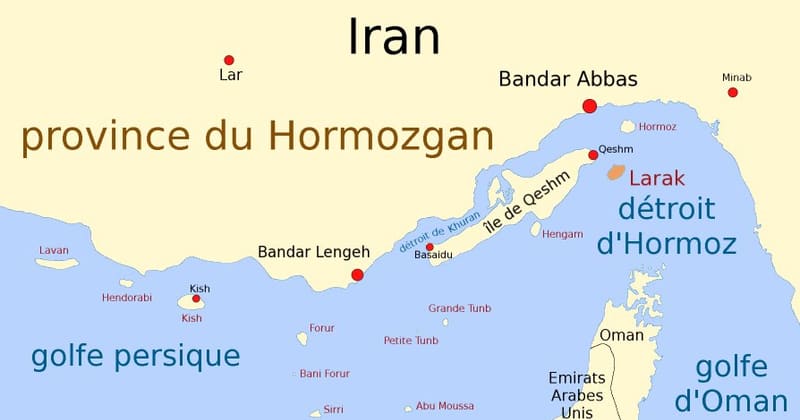
US forces struck two Iranian rocket launchers on Larak Island on Sunday, the first known American attack on Iran since late July, a US official said, according to reports from the BBC, Channel NewsAsia, The Guardian, South China Morning Post and Al Jazeera.
Central Command spokesman Cdr. Tim Hawkins said Islamic Revolutionary Guard Corps forces had been observed preparing to fire rockets carrying sea mines into the Strait of Hormuz, according to CBS News, cited by the BBC. Larak Island sits just off the port of Bandar Abbas on the strait, and the BBC reported that Iran has been routing tanker traffic past the island for inspection and charging vessels $2 million to cross.
The Revolutionary Guards said the strike killed and wounded several soldiers and citizens and vowed "response and punishment," according to Iranian state media cited by Channel NewsAsia and The Guardian. IRGC spokesman Hossein Mohebbi called the attack a "strategic and fatal mistake by the Trump regime," the BBC reported. Iran's Tasnim news agency said the strike was carried out by drones and reported two people killed and two injured, according to the BBC. A spokesperson told the semi-official Fars news agency that the United States would pay on both economic and military fronts, The Guardian reported.
A Pause Ends
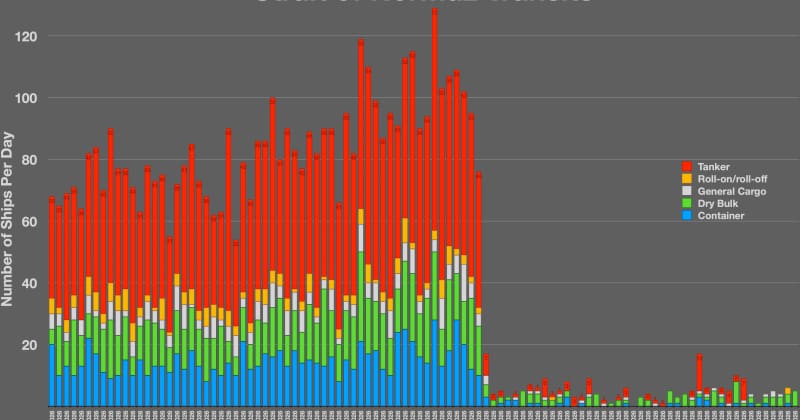
The United States and Israel launched a broad bombing campaign against Iran on February 28, and Iran retaliated by striking Israel, US bases, and allied Gulf states, effectively shutting down tanker traffic through Hormuz, according to the BBC and Channel NewsAsia. President Trump paused the American military campaign in late July, and Sunday's strike was the first since then. Eighteen US service members have been killed in the conflict, Channel NewsAsia reported.
Trump said last week that all mines placed in the strait by Iran had been detonated or removed, and warned that any vessel laying new mines would be destroyed, according to the BBC. Iran's deputy foreign minister, Kazem Gharibabadi, dismissed that claim as "propaganda," the BBC reported.
Sanctions and Skepticism
Washington announced a new round of sanctions against Iran on August 24, aimed at further isolating Tehran and expanding secondary sanctions against its allies, according to the BBC. Iranian officials and state media have largely dismissed the sanctions push as a continuation of earlier measures, the BBC reported.
Al Jazeera reported that Iran's foreign minister, Abbas Araghchi, wrote on social media that US officials were exaggerating claims of restored oil flows through Hormuz to influence energy markets. Despite US claims of easing Iran's control over the waterway, oil prices have stayed high, and Al Jazeera reported that the average US price of gasoline has topped $4 a gallon, up from under $3 when the war began. Before the conflict, the strait carried about a fifth of the world's oil and liquefied natural gas, the BBC reported.
Sources
Related coverage

Iran Fires on U.S. Allies in Gulf After Strikes It Says Killed Four at a Wedding
Oil prices jumped past $95 a barrel as fighting resumed after a monthlong lull in the six-month war.

Iran Marks Six Months Under US Strikes as Trump's War Reaches Stalemate
Treasury Secretary Scott Bessent says new sanctions will target the banks and buyers keeping Iran's economy afloat, but Tehran is betting Washington won't follow through on its toughest option.

U.S. to Launch 'Greatest Financial Offensive' Against Iran as Tehran Threatens Ship Seizures
Treasury Secretary Scott Bessent called the new measures an "economic D-Day" as Iran's parliament moved to charge ships for passing through the Strait of Hormuz.
UAE Halts All Trade With Iran After Missiles Land Near Its Waters
Iran denied firing at the UAE, and the rupture came a day after President Trump said talks with Tehran had collapsed entirely.