Carney's Liberals Sweep Three Canadian By-Elections Amid US Trade Rift
The wins in Quebec, Ontario and British Columbia hand Prime Minister Mark Carney's party a firmer grip on Parliament.
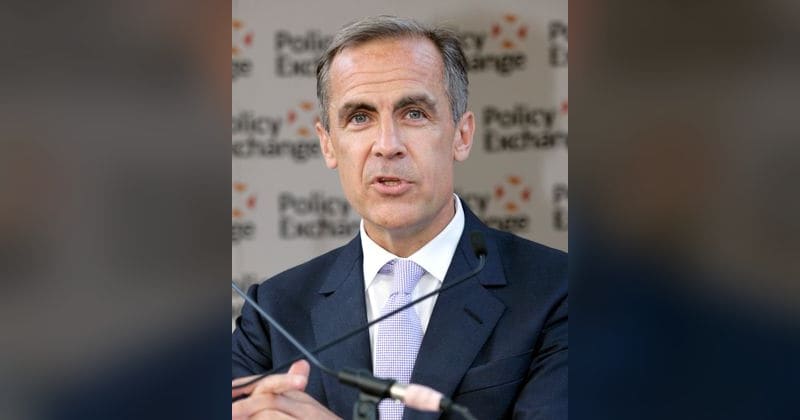
Canada's governing Liberal Party won all three special elections held Monday, a result that landed as a fresh vote of confidence in Prime Minister Mark Carney after his standoff with the United States over trade, according to the BBC and The Guardian.
The most striking result came in Chicoutimi-Le Fjord, Quebec, a district the opposition Conservatives had held since 2018. Liberal candidate Daniel Gobeil, a dairy farmer, took more than half the vote, pushing the Conservatives into third place behind the Bloc Québécois, the BBC reported. "This victory means we can maintain Canadian unity all across the country," Gobeil told supporters in French, according to CBC.
The Liberals also held their existing seats in Beaches-East York, Ontario, where Tanveer Shahnawaz won, and in North Vancouver-Capilano, British Columbia, where Braeden Caley, a former deputy chief of staff to Carney, prevailed, the BBC reported. The Guardian reported that the sweep brings the Liberals to 173 seats in Canada's 343-seat House of Commons, the country's lower chamber of Parliament, tightening the party's hold on a working majority.
A message aimed at Washington
Carney called the results an endorsement of his government's direction. "At this consequential time for Canada, voters have placed their trust in our government's plan," he said in a statement reported by The Guardian. Liberal lawmaker Hedy Fry put it more bluntly to CBC: "The United States is getting a message tonight. Our leader has the support of the Canadian people."
The vote came after trade talks between Canada and the United States collapsed on August 21, prompting President Donald Trump to impose 50 percent tariffs on roughly $20 billion worth of Canadian goods, The Guardian reported. Canada has proposed retaliatory tariffs of its own. Trump has since signed an order renaming Lake Ontario "Lake America" and continued raising the idea of Canada becoming the 51st US state, according to The Guardian. Treasury Secretary Scott Bessent said Monday that Canada has little leverage in the dispute because the US economy is roughly 13 times larger, The Guardian reported.
Conservatives lose ground
Pollster Abacus Data said Carney's approval rose four points in recent weeks, a trend most pronounced in Quebec, according to founder David Coletto, who credited both Trump's unpopularity in Canada and support for Carney's decision to walk away from the talks. Political scientist Daniel Béland of McGill University told The Guardian the Quebec loss was a serious setback for Conservative leader Pierre Poilievre, whose party fell from about 41 percent of the vote there in last year's general election to about 13 percent on Monday. "These numbers do look bad," Béland said. Oxford Economics has estimated Quebec could lose 1.4 billion dollars (2 billion Canadian dollars) in annual output by 2028 because of the tariffs.
Sources
Related coverage
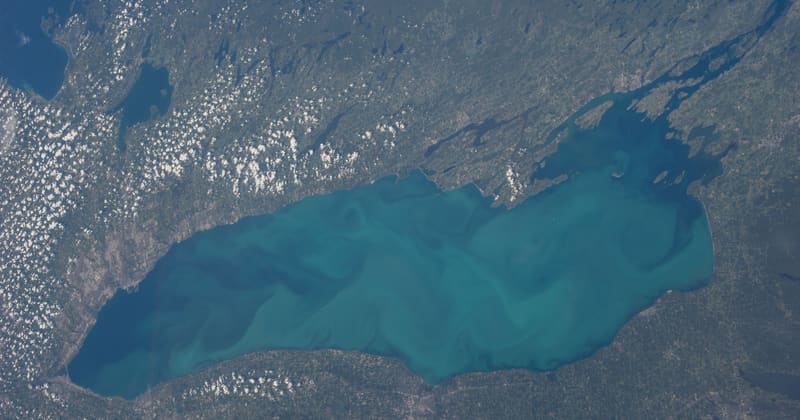
Trump Signs Order Renaming Lake Ontario 'Lake America' as Carney Pushes Back
The order lands days after the United States and Canada slapped tariffs of up to 50 percent on billions of dollars of each other's goods.

Trump Accuses Canada of Wanting 'Benefits of Being a State, Without Being One'
The president's Truth Social post came a day after Prime Minister Mark Carney of Canada announced dollar-for-dollar retaliatory tariffs on U.S. steel, dairy and other goods following the collapse of trade talks.
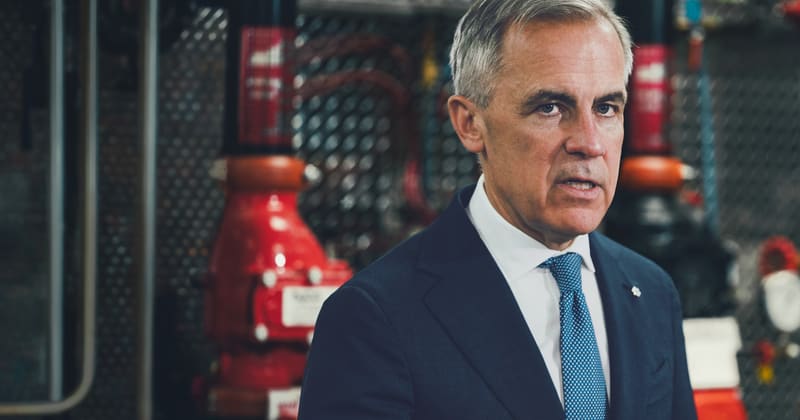
Trump and Carney Hold Talks as 50% Tariffs on Canadian Goods Near Deadline
The two leaders spoke twice as Canada tries to head off tariffs set to hit $20 billion worth of exports including wine, hockey sticks and cement at midnight Wednesday.
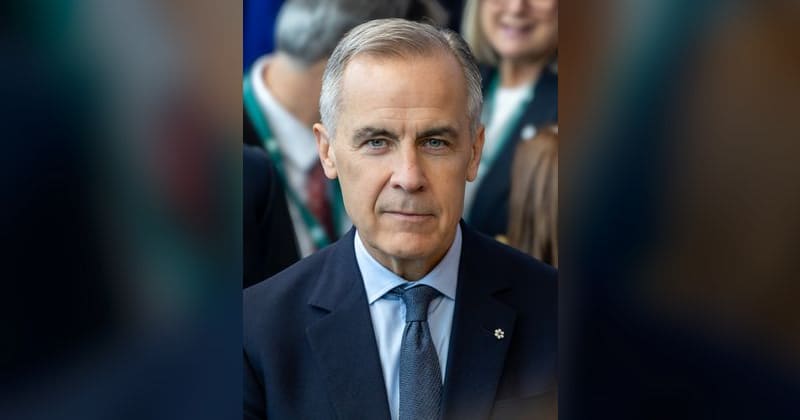
Canada to Hit US Goods With Retaliatory Tariffs Starting Sept. 8, Carney Says
Prime Minister Mark Carney of Canada ordered the tariffs after trade talks with Washington collapsed and new 50 percent US duties on Canadian goods took effect.