Trump and Carney Hold Talks as 50% Tariffs on Canadian Goods Near Deadline
The two leaders spoke twice as Canada tries to head off tariffs set to hit $20 billion worth of exports including wine, hockey sticks and cement at midnight Wednesday.
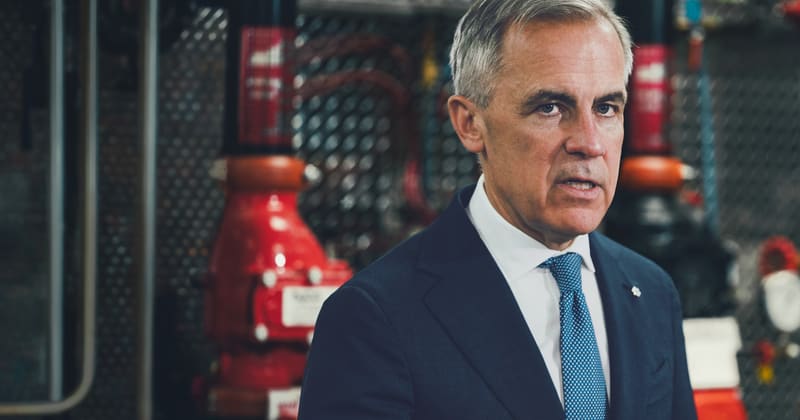
Update, September 7, 2026: The talks did not produce a deal. The 50 percent U.S. tariffs took effect as scheduled, and Prime Minister Mark Carney ordered retaliatory tariffs on U.S. goods that begin September 8. Read what Canada is putting tariffs on.
Canadian Prime Minister Mark Carney and President Donald Trump spoke by phone late Monday and were expected to talk again Tuesday, according to Bloomberg and other outlets, as Canada tried to head off new U.S. tariffs due to take effect at midnight Wednesday.
The tariffs, invoked under a rarely used Depression-era law known as Section 338 of the Tariff Act of 1930, would impose a 50 percent duty on roughly $20 billion worth of Canadian imports, including wine, hockey sticks and cement, according to the Office of the U.S. Trade Representative. Fox Business reported that Monday's call did not persuade Trump to hold off.
Carney's office confirmed the two leaders discussed the negotiations but gave no further details. "We are negotiating," Carney told reporters Monday. "The negotiations are very intense and delicate. This is not the time to talk about negotiations in public."
A Law Rarely Used, A Deadline Fast Approaching
Trump signed the tariff orders last month, with the White House alleging Canada had discriminated against American alcohol, auto and dairy products, according to the South China Morning Post. Unlike many earlier U.S. tariffs on Canada, these would apply even to goods that would otherwise qualify for duty-free treatment under the U.S.-Mexico-Canada trade agreement, Al Jazeera reported.
Canadian officials met for nearly two hours Monday with U.S. Trade Representative Jamieson Greer and Commerce Secretary Howard Lutnick, according to Al Jazeera, which reported that Greer has repeatedly pointed to Canada's retaliatory tariffs, some provinces' refusal to stock U.S. liquor, and Canada's dairy supply system as U.S. grievances.
Reuters reported that one sticking point involves existing U.S. tariffs on Canadian vehicles. The two sides have discussed cutting that rate to 15 percent from 25 percent, but they disagree over whether only U.S.-made content or all North American content should count toward reductions, according to Reuters. A Canadian auto official told Reuters that even a 15 percent tariff would be too steep given automakers' thin profit margins.
Businesses Already Feeling The Squeeze
Dan Kelly, president of the Canadian Federation of Independent Business, told CNBC that "a 50% tariff essentially makes a product uneconomic to sell into a particular market." He said many of the group's 103,000 members reported that U.S. buyers were already holding off on orders in anticipation of the duties.
Candace Laing, chief executive of the Canadian Chamber of Commerce, told Al Jazeera that businesses "have been doing a high-wire act for well over a year, holding off on hiring, investment and growing in Canada."
Neil Herrington of the U.S. Chamber of Commerce warned in a statement that higher tariffs "would damage both economies, drive up costs for U.S. families" and threaten American jobs tied to trade under the USMCA, which the Trump administration declined to renew last month, triggering an ongoing review of the pact's future.
Sources
Related coverage

Wildfire twice its size overnight forces 20,000 to flee in British Columbia
The fast-moving Bald Range Fire doubled in size overnight, prompting Premier David Eby to declare a provincial emergency as officials warned of 'explosive' conditions.

Super Micro Stock Jumps Nearly 9% After Strong Sales Forecast
The server maker's upbeat 2027 revenue outlook, paired with a similar forecast from CoreWeave, pushed AI infrastructure stocks higher and fed a broader Wall Street push to bankroll data center construction.

UK Consumer Confidence Hits Two-Year High as World Cup and Staycations Boost Spending
A Barclays survey found Britons feeling more secure about their jobs and the economy in July, with pub visits, cinema trips and domestic vacations driving a rise in discretionary spending.
Investors Are Betting the Fed Will Beat Inflation. A Wall Street Columnist Says Don't Count On It.
Federal Reserve Chair Kevin Warsh insists there's no wiggle room on the central bank's 2% inflation goal. Bond markets seem to believe him, but a MarketWatch columnist argues the government's mounting debt makes that promise hard to keep.