Investors Are Betting the Fed Will Beat Inflation. A Wall Street Columnist Says Don't Count On It.
Federal Reserve Chair Kevin Warsh insists there's no wiggle room on the central bank's 2% inflation goal. Bond markets seem to believe him, but a MarketWatch columnist argues the government's mounting debt makes that promise hard to keep.
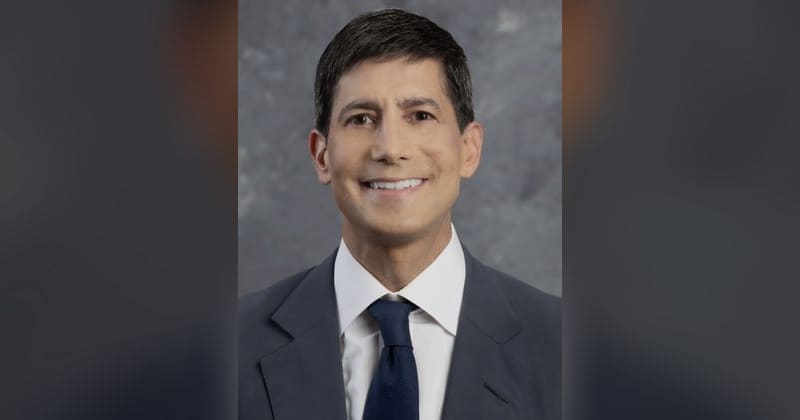
Update, September 7, 2026: After Warsh's first Jackson Hole speech as chair in late August, traders put the chance of a rate increase at the Federal Reserve's September meeting at about 60 percent, up from about 56 percent before he spoke, according to the CME Group's FedWatch tool. Read how the market read the speech.
Federal Reserve Chair Kevin Warsh says he is committed to bringing inflation back down to the central bank's official target of 2%, with no exceptions. Wall Street bond markets appear to be taking him at his word, but at least one prominent financial columnist is urging investors to think twice.
"Let me reiterate: There is no soft inflation target. There is no soft implicit target. Not on this committee's watch," Warsh said at a press conference on July 29, according to MarketWatch. "There's only a target, and it's 2%."
What the market is pricing in
MarketWatch calculated Wall Street's inflation expectations by comparing yields on Treasury bonds that protect against inflation with yields on ordinary Treasury bonds that do not. That gap, known as the breakeven rate, currently points to average inflation of about 2.25% over the next 10 years, MarketWatch reported. In plain terms, investors expect the Fed to get inflation close to its 2% goal and hold it there, with only a thin 0.25 percentage point cushion built in.
That is a vote of confidence in Warsh and the Fed's ability to control prices over the long run, even as the central bank navigates a new chairmanship and continued scrutiny over its policy path.
Why one columnist is skeptical
Brett Arends, writing in a MarketWatch opinion column, argued that the federal government has its own reasons to want inflation to run hotter, not cooler. In his view, inflation, more than economic growth alone, is what Washington needs to shrink a debt load that keeps climbing. Higher inflation effectively lowers the real value of existing debt, making it easier for the government to pay down what it owes in today's dollars, according to the column.
Arends did not dispute that Warsh wants to hit the Fed's 2% target. His argument is that the incentives facing the government's finances could work against that goal over time, potentially putting pressure on the Fed to tolerate inflation running above the level Wall Street currently expects, according to the column.
MarketWatch did not report a specific figure for the size of the federal debt or a timeline for when that pressure might show up in Fed decisions. Warsh, for his part, has given no public indication that he intends to soften the 2% target, based on his July 29 remarks.
The disagreement leaves investors with a bet to make: trust the Fed's stated target, or bet that fiscal reality eventually forces its hand.
Sources
Related coverage
Trump and Carney Hold Talks as 50% Tariffs on Canadian Goods Near Deadline
The two leaders spoke twice as Canada tries to head off tariffs set to hit $20 billion worth of exports including wine, hockey sticks and cement at midnight Wednesday.

Super Micro Stock Jumps Nearly 9% After Strong Sales Forecast
The server maker's upbeat 2027 revenue outlook, paired with a similar forecast from CoreWeave, pushed AI infrastructure stocks higher and fed a broader Wall Street push to bankroll data center construction.
UK Consumer Confidence Hits Two-Year High as World Cup and Staycations Boost Spending
A Barclays survey found Britons feeling more secure about their jobs and the economy in July, with pub visits, cinema trips and domestic vacations driving a rise in discretionary spending.

What a Diesel Export Ban Would Actually Do
Diesel is at a record and Washington is weighing a ban on shipping it abroad. What that would do to the pump price, and why the fuel is in the wrong place.