Fed Chair Warsh's Hawkish Jackson Hole Speech Lifts Rate Hike Odds
Traders now see a 60.4 percent chance the Federal Reserve raises rates in September, up from about 56 percent before the speech, according to the CME's FedWatch tool.
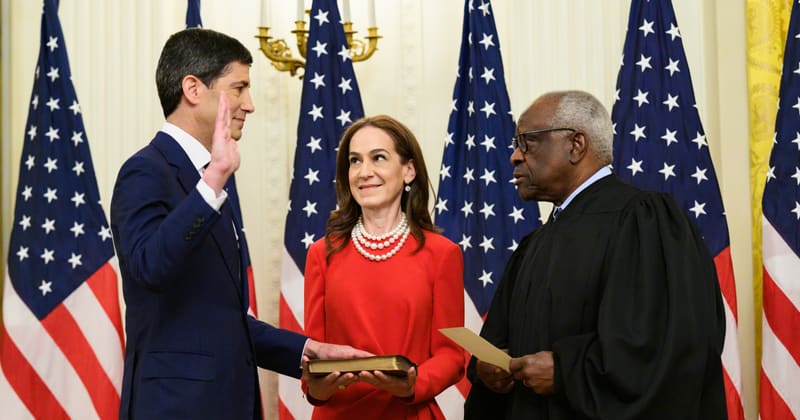
Federal Reserve Chair Kevin Warsh delivered an unexpectedly hawkish speech at the Jackson Hole Economic Symposium on August 28, 2026, and markets spent the following days recalibrating how soon the Fed might raise interest rates again.
Traders of fed funds futures now put the odds of a quarter point hike in September at 60.4 percent, up from around 56 percent before the speech, according to the CME's FedWatch tool. Gold fell and Asian stocks slipped on the Monday after the speech, CNBC reported. In Tokyo, yields on Japan's benchmark government bond touched a 30 year high and the yen weakened, Nikkei Asia reported, as investors read Warsh's comments as leaving the door open to further increases. Nikkei Asia reported that remarks from US Treasury Secretary Scott Bessent tempered the yen's slide ahead of a meeting of Group of 20 finance chiefs.
Wall Street Reacts
Deutsche Bank told CNBC it still expects the Fed to raise rates by a total of half a percentage point this year, with hikes coming at both the September and December meetings of the Federal Open Market Committee, the Fed's rate setting body. The bank said Warsh's speech "surprised us in its specificity about the economy and outlook and with its lean in a decidedly hawkish direction."
Analysts at UOB and Nomura pointed to Warsh's focus on inflation risk. Nomura said in a note that Warsh emphasized the Fed's 2 percent inflation target and suggested policy might need to shift if inflation does not cool quickly enough. James Ooi, a market strategist at Tiger Brokers, told CNBC that Warsh's read on a strong US economy weakened the case for near term rate cuts and signaled the Fed would not bow to political pressure over its independence.
Not everyone was convinced. Matthew Maley, chief market strategist at Miller Tabak, told CNBC there is "no empirical basis for the rate hike" and argued Warsh is talking up inflation so he can later take credit for taming it, even as labor market data has weakened since the Fed's last meeting.
A Rift With the Treasury
Gavekal Research said Warsh's insistence that short term rates remain the Fed's main policy tool suggests he will keep shrinking the average duration of the central bank's bond holdings. That stance, Gavekal said, "seems to put the Fed at odds with the US Treasury," which said earlier in August it would step up buybacks of long term Treasury securities to hold down long term yields.
Susquehanna told CNBC that Warsh's pledge to bring inflation back to target strengthened the dollar and reversed part of a rally that had pushed gold up roughly 14 percent in August, its best monthly gain this century.
Sources
Related coverage
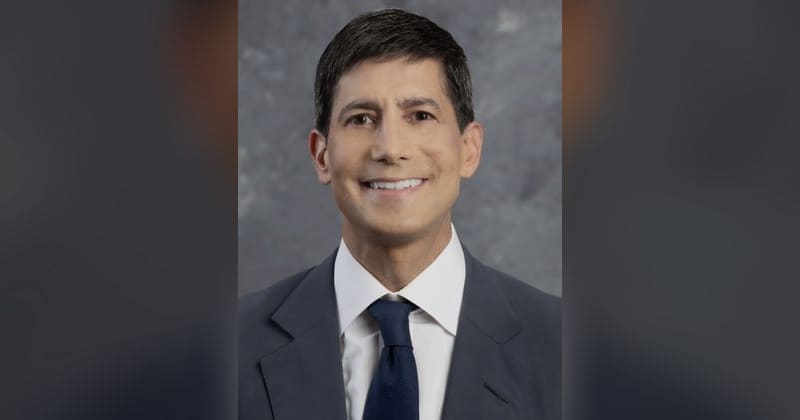
Investors Are Betting the Fed Will Beat Inflation. A Wall Street Columnist Says Don't Count On It.
Federal Reserve Chair Kevin Warsh insists there's no wiggle room on the central bank's 2% inflation goal. Bond markets seem to believe him, but a MarketWatch columnist argues the government's mounting debt makes that promise hard to keep.
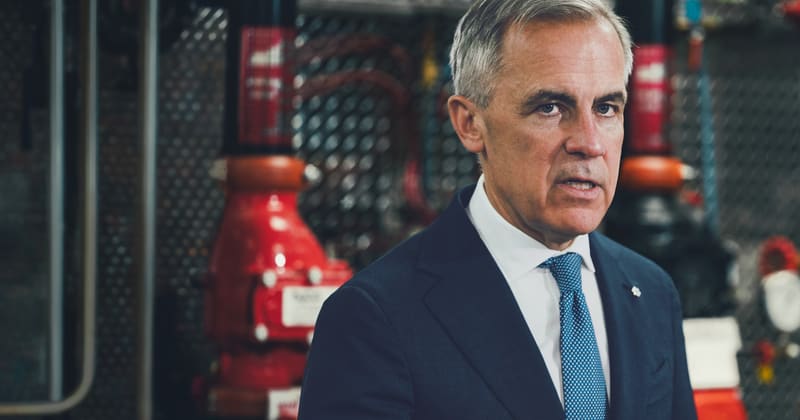
Trump and Carney Hold Talks as 50% Tariffs on Canadian Goods Near Deadline
The two leaders spoke twice as Canada tries to head off tariffs set to hit $20 billion worth of exports including wine, hockey sticks and cement at midnight Wednesday.
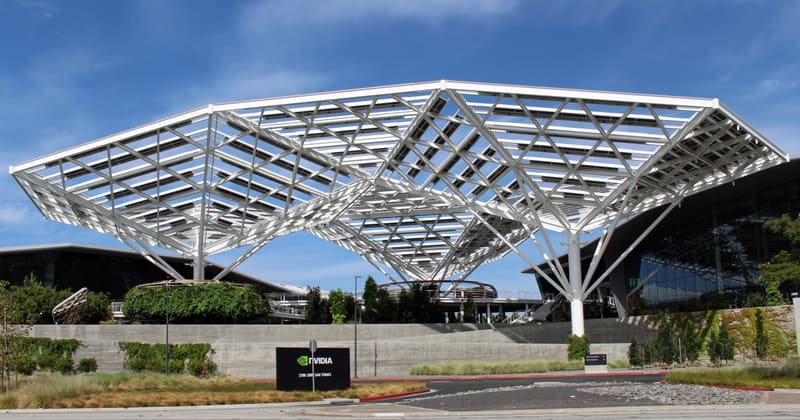
Super Micro Stock Jumps Nearly 9% After Strong Sales Forecast
The server maker's upbeat 2027 revenue outlook, paired with a similar forecast from CoreWeave, pushed AI infrastructure stocks higher and fed a broader Wall Street push to bankroll data center construction.
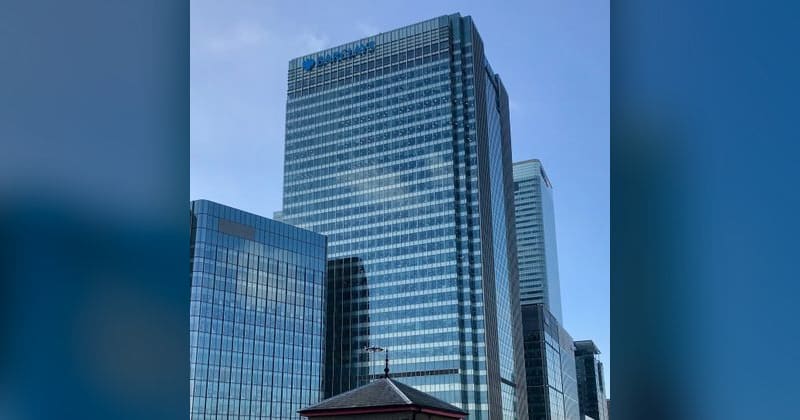
UK Consumer Confidence Hits Two-Year High as World Cup and Staycations Boost Spending
A Barclays survey found Britons feeling more secure about their jobs and the economy in July, with pub visits, cinema trips and domestic vacations driving a rise in discretionary spending.