Wildfire twice its size overnight forces 20,000 to flee in British Columbia
The fast-moving Bald Range Fire doubled in size overnight, prompting Premier David Eby to declare a provincial emergency as officials warned of 'explosive' conditions.

More than 20,000 people fled their homes in western Canada over the weekend as a wildfire that erupted Friday nearly doubled in size overnight, prompting British Columbia to declare a provincial state of emergency on Saturday.
The blaze, known as the Bald Range Fire, grew to roughly 9,500 hectares (23,500 acres) by Saturday, according to the Korea Herald and the Japan Times. It burned out of control west of Okanagan Lake in the province's southern interior, an area that produces most of British Columbia's wine and ranks as Canada's second largest wine region. Evacuation orders emptied Summerland, home to about 12,000 people, and Peachland, home to roughly 6,500 residents according to Canada's 2021 census, Euronews and the Japan Times reported.
'Like a bomb going off'
Premier David Eby told reporters Saturday that a firefighting official had compared the blaze to "a bomb going off." Eby said the official described "flames on 100-foot tree, flames going 200 feet above that, and the fire creating its own weather system, which creates lightning, which then feeds on itself," according to Euronews and the Korea Herald. Eby said homes and other property had already been lost and that some residents became trapped as conditions shifted quickly, requiring rescue.
Erick Thompson, an emergency official with the Regional District of Okanagan-Similkameen, said he had to abandon his post to get his own family out. "I had to leave the Emergency Operations Center to come and get my family to leave this area. We're heading south," he said in a video posted early Saturday, according to Euronews. Search and rescue crews kept working to reach people trapped behind the fire's edge, and Eby said air evacuations were underway for those cut off by the flames.
Summerland Mayor Doug Holmes said the toll on the area's farms was already clear even before firefighters could assess buildings. "A lot of farms have been affected. We don't know how many structures have been lost. They're still busy fighting the fire," Holmes told the Korea Herald and the Japan Times. "We have to brace ourselves for the worst." Resident Terry Fries said he was watching a football game Friday night when a neighbor warned him to pack a bag. He and his family drove about 45 kilometers (28 miles) north to Kelowna after the evacuation order came around midnight.
Power out, water contaminated
Summerland lost power Saturday and issued a boil-water notice after untreated water bypassed the town's treatment plant because of the fire, according to the Japan Times. National police are investigating a possible death near Summerland, though hazardous conditions have kept authorities from confirming it, Euronews reported. No official casualty or damage figures have been released.
As of early Sunday, the province counted 102 wildfires burning, according to the BC Wildfire Service, cited by Euronews. About 1,500 firefighters were battling more than 100 fires provincewide, with 40 evacuation orders and 49 alerts in place, the Korea Herald and Japan Times reported. Crews from Mexico, Australia, France and New Zealand have joined the effort. Ontario and Quebec have also fought major fires this year amid hot, dry weather. Wildfires have burned nearly 4 million hectares (9.9 million acres) across Canada so far in 2026, according to the Canadian Interagency Forest Fire Center.
Prime Minister Mark Carney thanked firefighters and first responders on social media for "working tirelessly to keep people safe," adding that the federal government stands ready to help British Columbia's provincial government, Euronews reported. Researchers have said human-caused climate change doubled the likelihood of the extreme fire conditions behind this year's fires in Canada, according to Euronews.
Sources
Related coverage
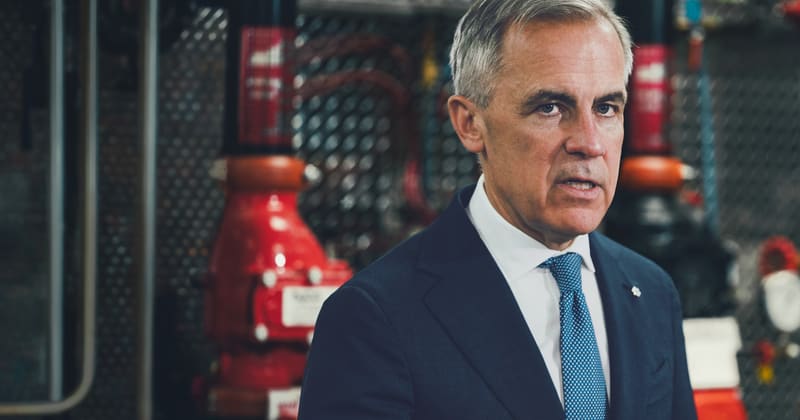
Trump and Carney Hold Talks as 50% Tariffs on Canadian Goods Near Deadline
The two leaders spoke twice as Canada tries to head off tariffs set to hit $20 billion worth of exports including wine, hockey sticks and cement at midnight Wednesday.

Western Europe Just Logged Its Hottest June and July on Record
The EU's Copernicus climate monitor says a record-breaking two months of heat has dried out soils, shrunk rivers and fueled wildfires from Albania to Spain, with 2026 now on track to challenge the hottest year ever measured.

Ecuador Intelligence Chief, Five Americans Killed in Kenya Helicopter Crash
All seven people aboard a sightseeing helicopter died when it went down near Mount Ololokwe in northern Kenya on Wednesday, officials said.

Trump Says He Will Meet North Korea's Kim Jong Un Later This Year
The announcement follows Trump's order to scale back joint US-South Korea military drills and an unusually specific claim about North Korea's nuclear arsenal.