Iran Dismisses Trump's 'Economic D-Day' Threat as Another Failed Policy
Foreign Minister Abbas Araghchi of Iran said the threat was a distraction from the United States' own mounting national debt.
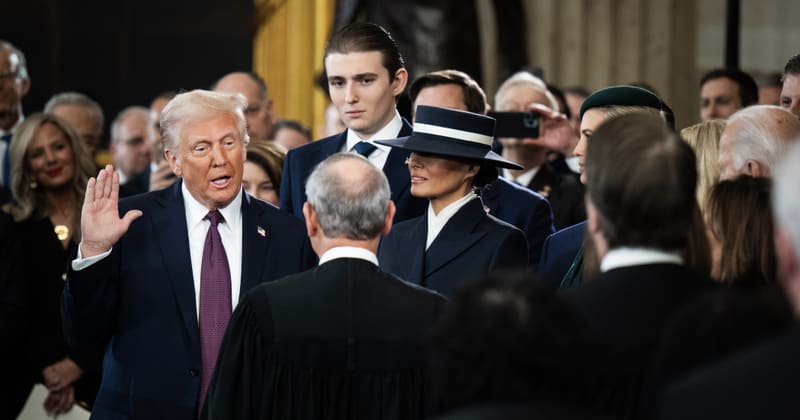
Iran's foreign minister on Thursday rejected President Trump's threat to unleash an economic "D-Day" against Tehran, calling it a distraction from the United States' own rising debt and "a doubling down on failed policies," CBS News reported.
Trump made the threat in a Truth Social post on Wednesday, promising what he called "the most crushing economic operation ever taken against any country," according to CNBC. He said the campaign, which he described as "Economic Warfare and Isolation on an unprecedented scale," would target any nation that helps Iran evade sanctions, including through oil smuggling, currency swaps, cash transfers, exchange houses, ship registries and front companies. The move extends a pressure campaign the Trump administration has run since April under the name Operation Economic Fury, CNBC reported.
A Threat Wrapped In Old Policy
Foreign Minister Abbas Araghchi of Iran wrote on X that "doubling down on failed policies will only bring further defeat, and enmity of Iranians," and accused Washington of "economic terrorism" that threatens the broader global economy, CNBC reported. Deputy Foreign Minister Kazem Gharibabadi said in his own post that "the military war didn't yield results, so now they've named the next failure 'economic war,'" and denied that Iran's economy is close to collapse, according to CNBC.
China, one of Iran's largest trading partners, also pushed back. Foreign Ministry spokesperson Lin Jian said sanctions and economic pressure would "not help to solve the issue" and called on "relevant parties to take responsible measures and resolve problems through diplomatic and political means," CNBC reported.
Strained But Not Broken, Economist Says
Mehrdad Sepahvand, a former economic adviser to Iran's central bank, told CNBC's "Access Middle East" that Iran's economy has held up despite high inflation and a strained banking system, with no major run on banks and no widespread panic buying. He said Iran's size, natural resources and long borders make it hard for outside powers to fully cut the country off, though he acknowledged sanctions are doing real damage.
The latest exchange came a day after the United Arab Emirates, historically Iran's largest source of imports, suspended all trade and financial dealings with Tehran, saying it had been hit by two Iranian ballistic missiles. Iran denied firing them, calling the claim a "false flag," CNBC reported.
The standoff continues amid a stalemate in the nearly six-month war between the United States and Iran. Trump said Wednesday the U.S. could return to talks with Iran "at some point," though he added that he believes "the situation is so good" as it stands, CBS News reported.
Sources
Related coverage
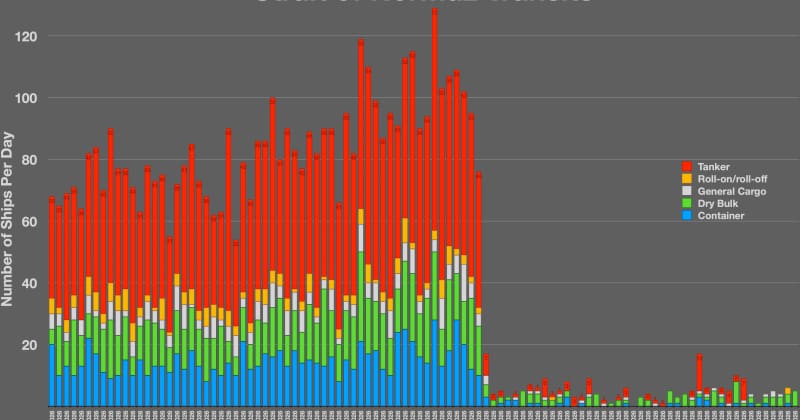
UAE Halts All Trade With Iran After Missiles Land Near Its Waters
Iran denied firing at the UAE, and the rupture came a day after President Trump said talks with Tehran had collapsed entirely.

Albanese Presses Trump for Tariff Exemption in Call, Gets 'Consideration'
The Australian prime minister said he also discussed AUKUS, the war in Iran and a recent Chinese missile test with President Trump during the call.
Trump Demands Iran Pay Compensation for Americans Killed in Attacks
The president said Iran owes payments for U.S. sailors killed in the 2000 USS Cole bombing and other attacks, after Tehran demanded compensation of its own as a condition for reopening the Strait of Hormuz.
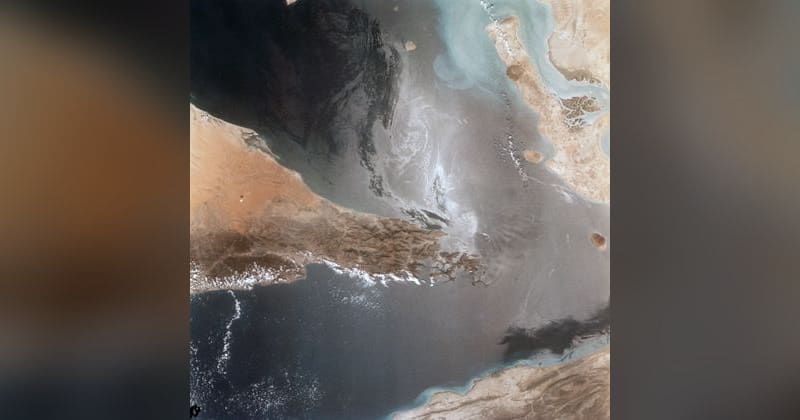
Iran Says Strait of Hormuz Stays Shut Until US Meets Deal Terms
Tehran's demands include lifting a naval blockade and freeing frozen assets, even as a vessel was struck by an unknown projectile in the waterway this week.