Iran Says Strait of Hormuz Stays Shut Until US Meets Deal Terms
Tehran's demands include lifting a naval blockade and freeing frozen assets, even as a vessel was struck by an unknown projectile in the waterway this week.
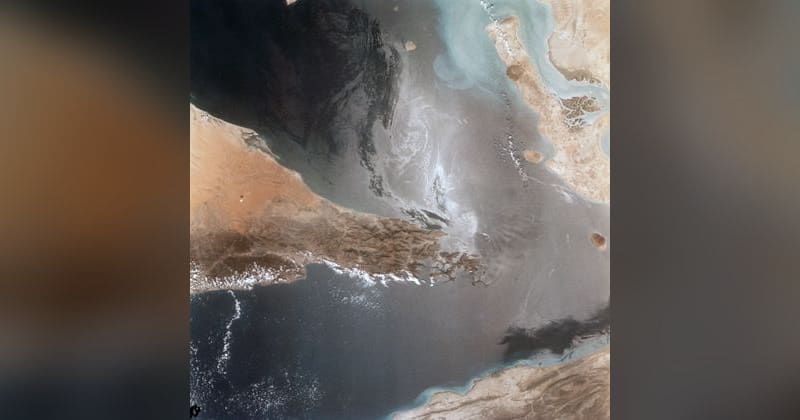
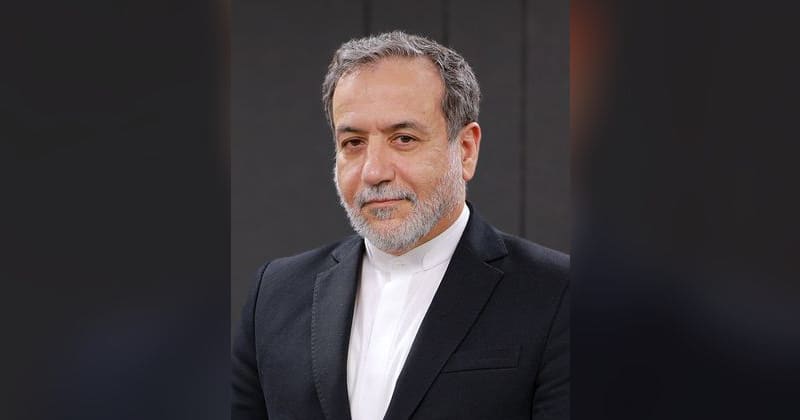
The Strait of Hormuz will stay closed until the United States meets the terms of an interim deal it signed with Iran in June, Iran's top negotiator, Mohammad Baqer Qalibaf, told parliament in comments carried by state media on Tuesday, August 18, 2026.
Qalibaf said the conditions include lifting the US naval blockade of Iranian ports, ending oil sanctions, releasing Iran's frozen assets abroad, and stopping military threats and operations against the country.
A Deal That Fell Apart
The memorandum of understanding was signed on June 17 but collapsed quickly in a dispute over who controls the strait, the narrow passage between Iran and Oman that carried a fifth of the world's oil and liquefied natural gas before the war. President Trump declared the deal "over" on July 7, and Iran's foreign ministry called it "suspended" a week later. The agreement had given both sides up to 60 days to negotiate a broader settlement covering Iran's nuclear program.
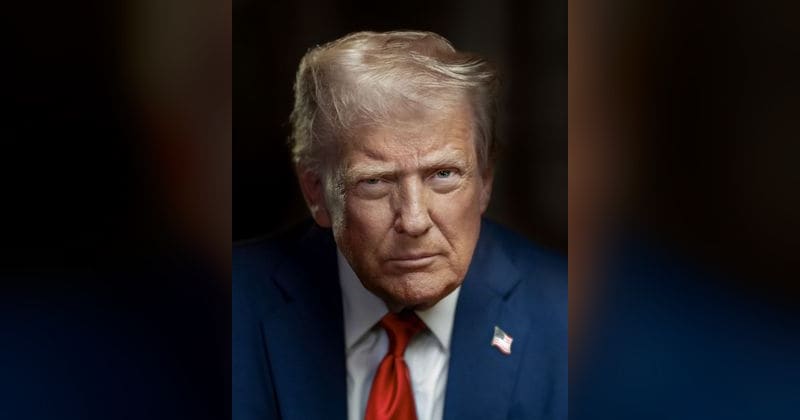
Trump has also threatened Oman, which has been mediating separately with Iran over safe passage through the strait. In a Fox News interview reported by Euronews, Trump said the US would "bomb the s--- out of" Oman if it "gets in the way" of talks with Iran. Iran's foreign ministry spokesperson, Esmaeil Baghaei, said Monday that Tehran and Oman had reached an understanding on a "navigation route map" for the strait but that talks were continuing, according to Iran's Fars news agency, as reported by Euronews.
Rising Danger at Sea
The dispute is playing out against a more dangerous backdrop. The United Kingdom Maritime Trade Operations agency said a vessel was struck by an unknown projectile early Tuesday while crossing the strait, damaging its engine room and causing a crew casualty, Al Jazeera reported. The Omani coast guard was assisting the crew, and UKMTO said it was still investigating who or what was responsible.
Daily crossings through the strait have fallen into the single digits, down from more than 130 a day before the war began in February, according to Al Jazeera. A senior Iranian official told Reuters on Monday that Iran now plans to take a "fully offensive" posture given the stalled diplomacy.
Iran has also said it wants to charge ships for passage through the strait. Fortune reported that Tehran is seeking a fee of five to seven percent per barrel of oil, which could bring in close to $20 billion a year, though analysts told the magazine such a high charge is unlikely to survive negotiations. Michelle Brouhard of the energy intelligence firm Kpler told Fortune the old idea of free passage on the high seas is now "dead," and that other chokepoints, including the Strait of Malacca and the Strait of Gibraltar, could face similar pressure to charge tolls.
Sources
Related coverage
UAE Says Iran Missile Struck Tanker in Strait of Hormuz as Oman Talks Drag On
Abu Dhabi's state oil company says one of its ships was hit early Saturday, the latest in a string of attacks in the waterway as Iran and Oman try to finalize a shipping deal.
What a Diesel Export Ban Would Actually Do
Diesel is at a record and Washington is weighing a ban on shipping it abroad. What that would do to the pump price, and why the fuel is in the wrong place.
Trump Demands Iran Pay Compensation for Americans Killed in Attacks
The president said Iran owes payments for U.S. sailors killed in the 2000 USS Cole bombing and other attacks, after Tehran demanded compensation of its own as a condition for reopening the Strait of Hormuz.

Houthis Claim Drone Strike on Saudi Aramco Refinery as Regional Tensions Widen
A fire at Aramco's Jizan refinery was put out with no injuries reported, Saudi officials said, hours after Yemen's Houthi movement claimed a drone strike on the site. The incident came as Iran set conditions for reopening the Strait of Hormuz and three regional powers signed a new mutual defense pact.