U.S. Strikes Three Iranian Oil Tankers After Missiles Target Navy Warships
CENTCOM says it disabled two tankers and destroyed a third after Iran's Revolutionary Guard fired missiles at a U.S. carrier and destroyer.
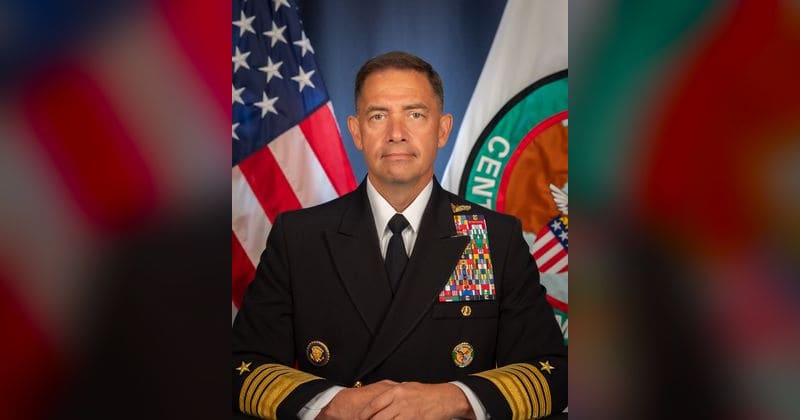
U.S. forces struck three Iranian crude oil carriers on Saturday, hours after Iran's Islamic Revolutionary Guard Corps fired ballistic missiles at two U.S. Navy warships patrolling the region, U.S. Central Command said.
CENTCOM said the missiles targeted an aircraft carrier and a guided-missile destroyer, both of which evaded the attacks. No American personnel were hurt, the command said. In response, U.S. forces hit one oil tanker off Kharg Island, Iran's main export terminal, and permanently disabled another near the port of Jask. A third, unladen tanker was destroyed in the Gulf of Oman, according to CENTCOM, which released what it described as video of the strikes. Iranian state television said four U.S. missiles struck a tanker about six miles from Kharg Island.
"Let the message to the IRGC be clear: If you shoot at two of our ships, we will impose an even higher economic cost, taking out three of yours," said Admiral Brad Cooper, the CENTCOM commander, in a statement. "We will not hesitate to defend American forces, and if necessary, destroy Iran's limited and exposed oil fleet."
Defense Secretary Pete Hegseth put it more bluntly on social media: "It's simple: if Iran shoots at U.S. ships, we will destroy (and sink) their oil tankers. All they have to do is stop shooting at @USNavy." Iranian authorities did not immediately respond to the strikes.
A widening economic and military fight
The strikes came a day after the Treasury Department sanctioned a small Turkish lender, Golden Global Yatirim Bankasi Anonim Sirketi, along with two subsidiaries, accusing them of helping move Iranian oil revenue from China through Turkey, where it could be converted into cash and gold for the Revolutionary Guard. Treasury officials called it the second major financial institution targeted under what the administration calls Operation Economic Outcast, a campaign to squeeze Tehran's finances outside of direct military action.
Iran is OPEC's third-largest oil producer and once exported 90 percent of its crude through Kharg Island. A U.S. blockade that began in April has already disrupted those flows, and the broader conflict, which started with U.S. and Israeli strikes on February 28, has effectively closed the Strait of Hormuz, a passage that carries a large share of the world's oil and natural gas.
President Donald Trump had described the conflict as "small potatoes" just a day before the tanker strikes, even as he has repeatedly threatened Kharg Island directly, including a threat in June to seize it and an AI-generated video he posted on August 31 depicting the island being destroyed. Talks meant to resolve Iran's nuclear program collapsed soon after the two countries signed a memorandum of understanding in mid-June, leaving the strait as Tehran's main source of leverage. Earlier in the week, a U.S. bombardment in southern Iran killed at least five people, including at a wedding, according to earlier reports from the region.
Related coverage
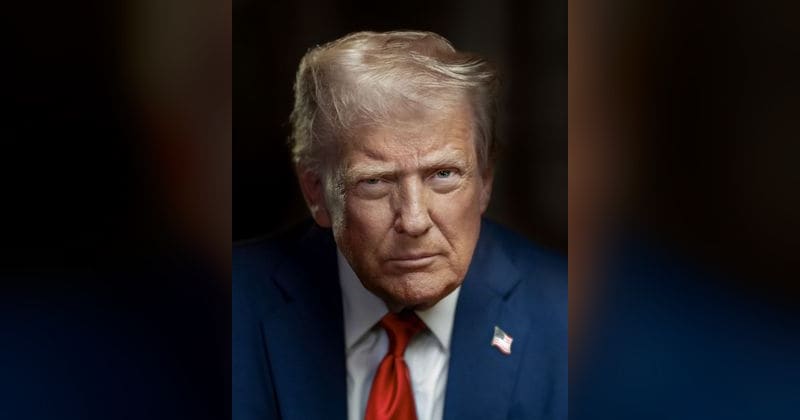
Trump Demands Iran Pay Compensation for Americans Killed in Attacks
The president said Iran owes payments for U.S. sailors killed in the 2000 USS Cole bombing and other attacks, after Tehran demanded compensation of its own as a condition for reopening the Strait of Hormuz.

Houthis Claim Drone Strike on Saudi Aramco Refinery as Regional Tensions Widen
A fire at Aramco's Jizan refinery was put out with no injuries reported, Saudi officials said, hours after Yemen's Houthi movement claimed a drone strike on the site. The incident came as Iran set conditions for reopening the Strait of Hormuz and three regional powers signed a new mutual defense pact.
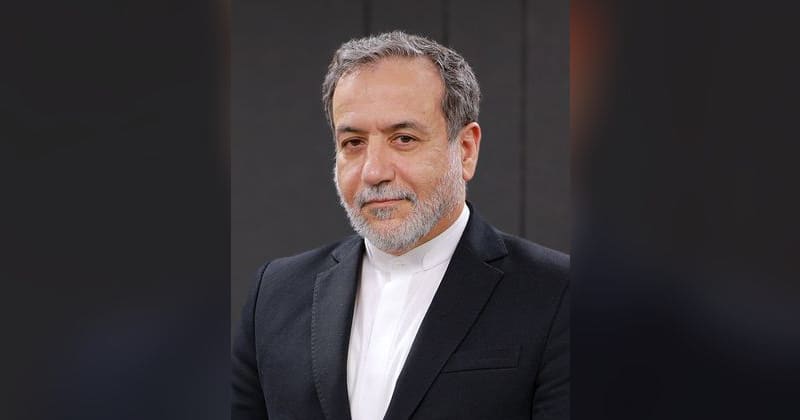
UAE Says Iran Missile Struck Tanker in Strait of Hormuz as Oman Talks Drag On
Abu Dhabi's state oil company says one of its ships was hit early Saturday, the latest in a string of attacks in the waterway as Iran and Oman try to finalize a shipping deal.
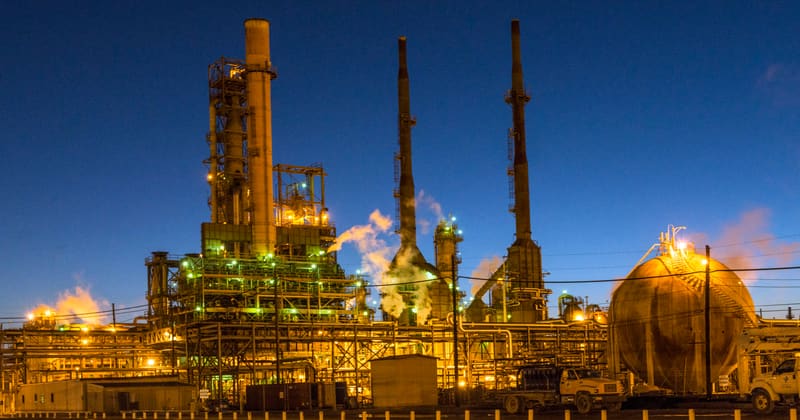
What a Diesel Export Ban Would Actually Do
Diesel is at a record and Washington is weighing a ban on shipping it abroad. What that would do to the pump price, and why the fuel is in the wrong place.