Netanyahu Rejects US-Backed Gaza Plan, Says Israeli Troops Stay Until Hamas Disarms
Israeli Prime Minister Benjamin Netanyahu says his military will not leave Gaza until Hamas gives up its weapons, dealing a setback to a peace plan President Trump had called a breakthrough.
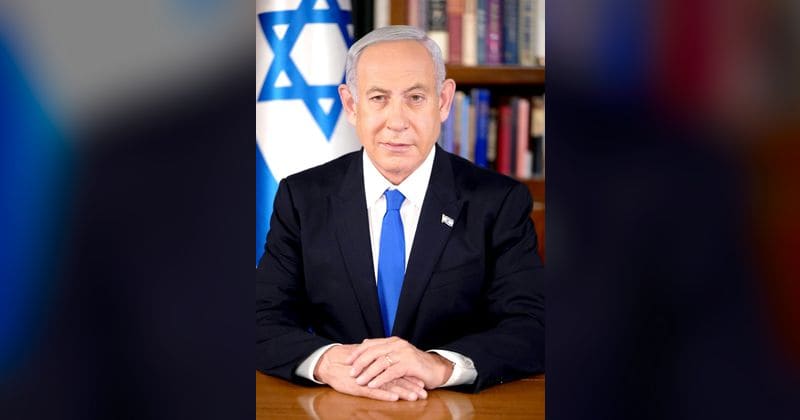
Update, September 7, 2026: Talks on the plan continued through August. Jared Kushner met President Abdel Fattah el-Sisi of Egypt in Cairo as a Hamas delegation arrived for its own round of discussions. On September 4, the State Department said it opposed any forced displacement from Gaza after two Israeli ministers proposed sending the territory's roughly two million residents abroad. Read the latest on the U.S. response.
Israeli Prime Minister Benjamin Netanyahu rejected a United States-backed plan for Gaza on Sunday, telling his cabinet that Israeli troops will not leave the territory until Hamas gives up its weapons for good, according to Reuters.
"Israel rejects the 15-point document," Netanyahu said, referring to a plan Hamas had agreed to in late July. He said the military "will not carry out any withdrawal until Hamas is genuinely disarmed and will continue to thwart threats against our forces and our citizens."
The plan is the latest step in a ceasefire process that President Trump announced last October, which has scaled back but not ended Israeli military action in Gaza. Under its terms, Hamas would hand its weapons to a newly formed Palestinian governing body, and Israel would pull out its forces as that disarmament happened. Trump had called the arrangement, brokered through his international Board of Peace, a "monumental step toward lasting peace and security," CBS News reported.
Netanyahu said Israel is still negotiating with Washington over parts of the plan it does not accept. "They have ideas, some of them are acceptable to us and some are not, and we know how to stand our ground on these matters," he said. He insisted any disarmament has to be real. "We are talking about real disarmament, not fictitious disarmament," he said, according to the BBC. Members of the Board of Peace have said full disarmament on the scale Netanyahu wants is not realistic.
Hamas says it is still willing to proceed
Hamas said Sunday it remains committed to the roadmap negotiated with mediators and the Board of Peace, according to CBS News. "Our acceptance of the roadmap, despite all the challenges, reflected a sense of national responsibility," the group said in a statement. A Hamas official separately told Agence France-Presse, in comments carried by the Korea Herald, that the group is ready to move into the next phase of the deal if Israel gives its approval and starts implementing the agreement, and called on the Trump administration to pressure Israel to comply.
Netanyahu met on August 3 with Nickolay Mladenov, the Board of Peace's high representative for Gaza, who then said Israel would only withdraw after Hamas had fully disarmed, the Korea Herald reported.
Election pressure at home
Netanyahu faces elections in October and has come under sustained criticism from his right-wing coalition partners over the plan, the BBC reported. National Security Minister Itamar Ben Gvir called the draft "not acceptable." Israeli strikes in Gaza have continued since the October ceasefire but appear to have eased in recent days, according to the Korea Herald. Gaza's Health Ministry, which the United Nations considers a reliable source of casualty data, said Israeli operations have killed 1,257 Palestinians since the ceasefire began, while Israel's military has reported five deaths among its own troops over the same period.
Sources
Related coverage
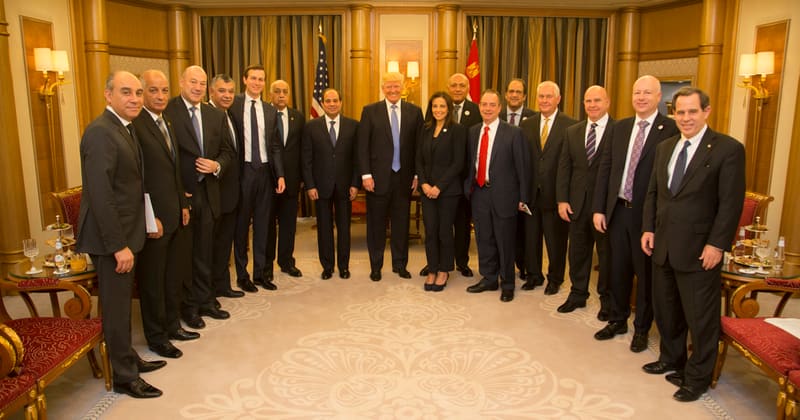
Kushner Meets Egypt's Sisi as Hamas Delegation Also Arrives for Gaza Talks
Jared Kushner is set to meet Israeli Prime Minister Benjamin Netanyahu on Monday, days after Netanyahu rejected the Trump administration's roadmap for ending the war in Gaza.

Venezuela and Israel Restore Consular Ties After 17-Year Break
The two governments will set up a joint mechanism to provide consular services to their citizens, a first step toward repairing ties that Hugo Chávez severed in 2009 over Israel's assault on Gaza.
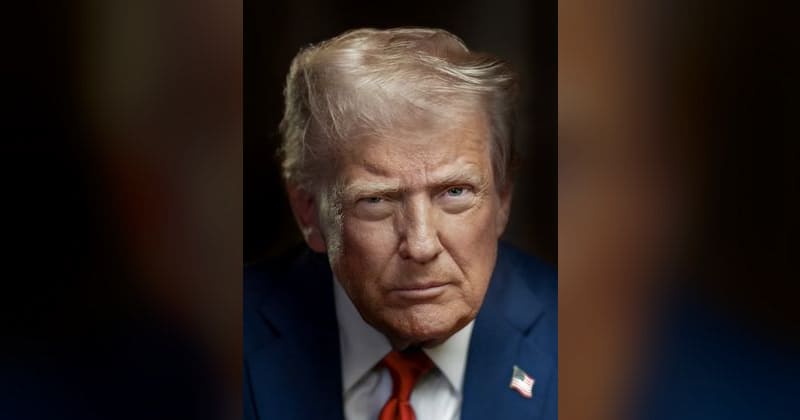
Trump Says He Will Meet North Korea's Kim Jong Un Later This Year
The announcement follows Trump's order to scale back joint US-South Korea military drills and an unusually specific claim about North Korea's nuclear arsenal.

What a Diesel Export Ban Would Actually Do
Diesel is at a record and Washington is weighing a ban on shipping it abroad. What that would do to the pump price, and why the fuel is in the wrong place.