China's Support For Iran Shows Its Limits As US Piles On Pressure
Chinese oil purchases from Iran have collapsed under a US naval blockade even as Beijing objects to Washington's sanctions campaign.

China has positioned itself as one of the few governments willing to push back against the Trump administration's pressure campaign against Iran, but analysts say Beijing has no intention of going much further than the limited economic ties it already has with Tehran, Al Jazeera reported.
China buys the vast majority of Iran's oil exports and has used that leverage to soften some of the impact of US sanctions. But Iranian crude makes up only about 2 percent of China's total energy supply, according to Al Jazeera, meaning Beijing has far less riding on the relationship than Tehran does. China's major state oil companies, Sinopec and PetroChina, have avoided Iranian crude for years, leaving the trade to smaller independent refiners with little exposure to the dollar-based financial system, Al Jazeera reported.
A Lopsided Partnership
Hongda Fan, director of the China-Middle East Center at Shaoxing University, told Al Jazeera that Beijing will keep pushing for de-escalation but will not confront Washington directly on Tehran's behalf. "The US-Iran conflict must be resolved by the two countries themselves," Fan said.
The gap between China's rhetoric and its actions has been visible for years. Beijing signed a 25-year cooperation agreement with Iran in 2021 that pledged up to $400 billion in investment, but Iran's then deputy economy minister, Ali Fekri, said in 2023 that only about $185 million had actually materialized, according to Al Jazeera. Andrea Ghiselli of the ChinaMed Project told the outlet that Chinese firms have little incentive to risk their access to global banking for a market as difficult as Iran's.
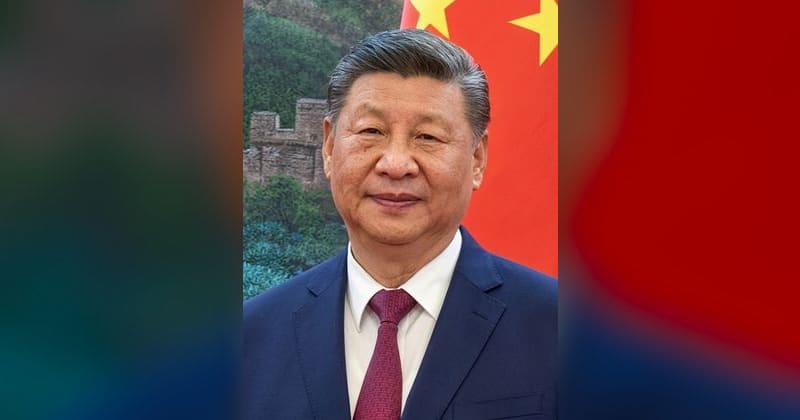
At this week's Shanghai Cooperation Organization summit in Bishkek, Kyrgyzstan, Chinese President Xi Jinping appeared alongside more than a dozen leaders from non-Western nations, including Iranian President Masoud Pezeshkian. Iranian state media described a brief meeting between the two men, but Chinese outlets did not report it at all, Al Jazeera noted. Xi then traveled to Egypt, his first visit there in a decade, where he called for a diplomatic end to the Iran war and urged the region to resist "external interference."
Oil Flows Dry Up
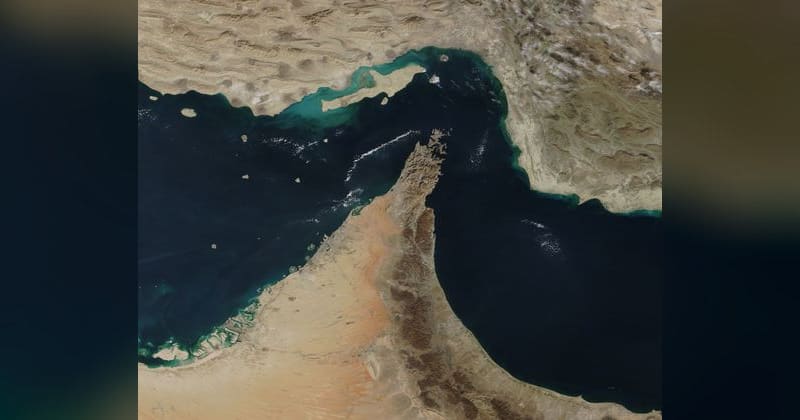
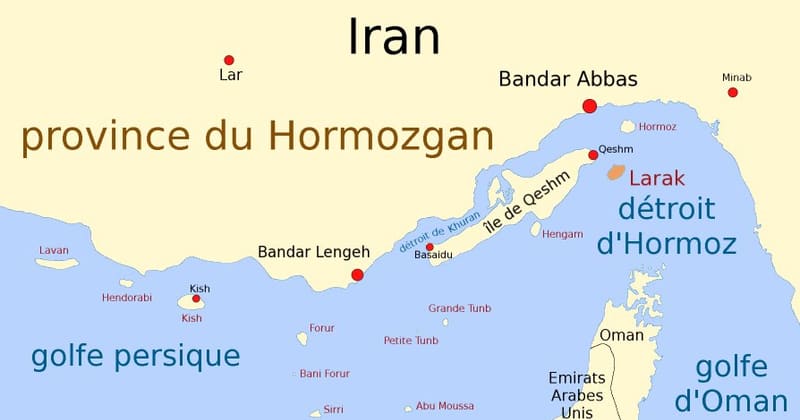
The clearest sign of strain is the drop in oil moving through the Strait of Hormuz. Iranian crude exports through the strait, most of it headed to China, fell from about 1.85 million barrels a day in March and April to just 240,000 barrels a day in August, according to ship-tracking data from Kpler cited by Al Jazeera. That decline follows a US military blockade of Iranian ports.
The pressure has escalated on the battlefield as well as in the markets. The US military carried out new strikes on Iranian Revolutionary Guard Corps targets along Iran's southern coast on September 1, prompting Iranian missile and drone attacks on Jordan, Bahrain and Kuwait, Euronews reported. Jordan's armed forces said they intercepted 13 ballistic missiles. President Trump warned on Truth Social that any Iranian retaliation would be met with an even harder strike.
Zichen Wang of the Center for China and Globalization in Beijing told Al Jazeera that China will keep objecting to US sanctions on principle but will not hand Tehran unconditional support. "That does not, however, mean that Beijing will provide Tehran with a blank cheque," Wang said.
Sources
Related coverage
Trump Officials Launch Sweeping Iran Sanctions Push as GOP Frets Over Midterms
Treasury Secretary Scott Bessent's new sanctions campaign aims to cut Iran off from the world economy, but Tehran and Beijing are pushing back, and Republican strategists worry the six-month war is dragging down the party ahead of November.
China, Russia and India Leaders Meet in Kyrgyzstan to Counter US Influence
Chinese President Xi Jinping, Russian President Vladimir Putin and Indian Prime Minister Narendra Modi joined other heads of state in Bishkek for a summit of the Shanghai Cooperation Organization, a bloc that presents itself as a counterweight to Western-led alliances.
US Strikes Iranian Rocket Launchers on Larak Island, First Attack Since July
The strike targeted launchers Washington says were set to fire rockets carrying sea mines into the Strait of Hormuz, ending a monthslong pause in direct American attacks on Iran.
U.S. to Launch 'Greatest Financial Offensive' Against Iran as Tehran Threatens Ship Seizures
Treasury Secretary Scott Bessent called the new measures an "economic D-Day" as Iran's parliament moved to charge ships for passing through the Strait of Hormuz.